7 Diversion Strategies for Sustainable Industrial Waste Management

Manufacturers deal with large volumes of surplus inventory, scrap metal, obsolete electronics, packaging waste, and idle machinery. Without the right waste diversion strategies, many of these materials and assets can end up in landfills even when they still have reuse, recovery, or recycling potential.
The sheer volume of waste generated highlights the importance of industrial waste diversion. According to the United States Environmental Protection Agency (EPA), industrial sectors produce more than 30 times as much waste as households, resulting in significant landfill use, environmental impacts, and rising disposal costs for industries.
Moving beyond landfill disposal can lower waste management expenses, recover more value from usable materials and assets, and support your company’s sustainability goals.
In this blog, you’ll discover seven waste diversion strategies, including both common methods and underused landfill diversion approaches, that you can implement to improve industrial waste management and strengthen your bottom line.
What Is Industrial Waste Diversion?
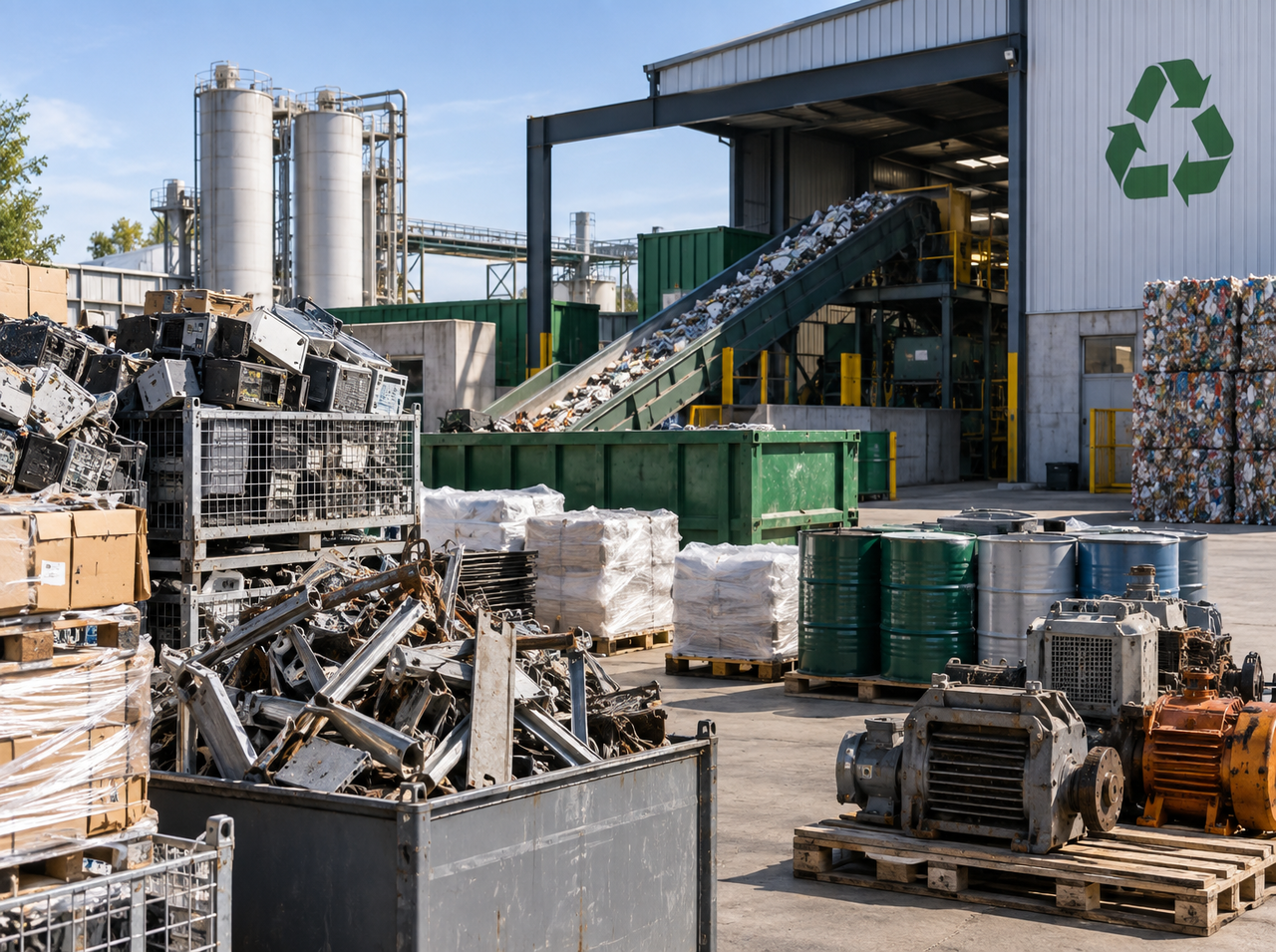
Industrial waste diversion involves strategies used to redirect waste materials away from landfills. In manufacturing, electronics, and heavy equipment sectors, waste diversion typically addresses materials such as surplus inventory, scrap metal, obsolete electronics, packaging waste, and idle machinery.
These strategies help industrial companies recover valuable materials, increase diversion from landfill, generate energy from suitable waste streams, and support circular economy goals.
Common Landfill Diversion Strategies
Effective industrial waste management starts by adopting well-known diversion methods that reduce your landfill reliance. These foundational strategies help your operations reclaim value, maintain regulatory compliance, and reduce environmental impact. Here are the common diversion strategies used by industries:
1. Redeployment
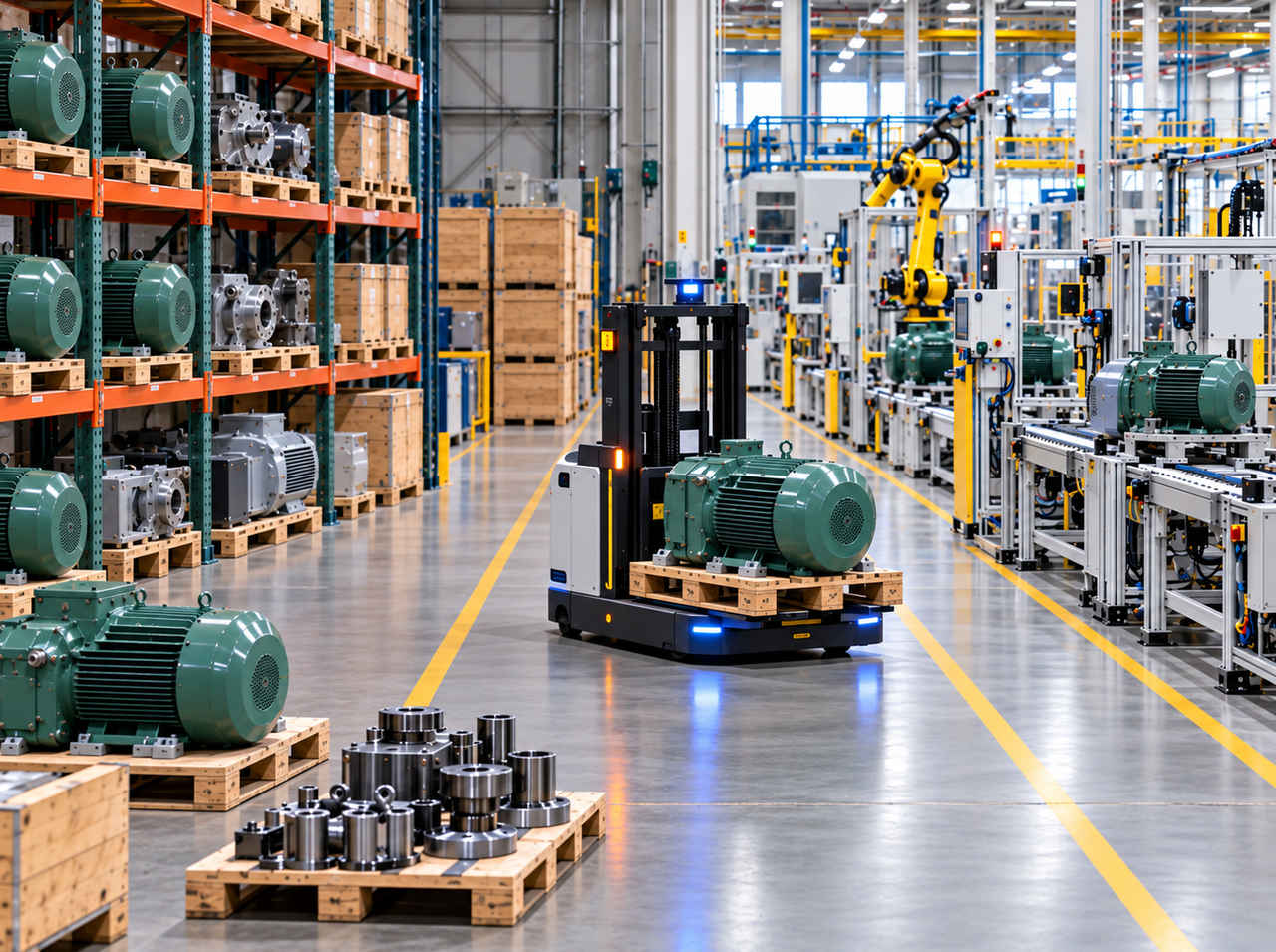
Redeployment keeps usable materials and assets in circulation by moving them to another facility, department, or production line where they are still needed. In industrial environments, this can include idle equipment, tooling, fixtures, and Maintenance, Repair, and Operations (MRO) spare parts that still have useful life.
For example, a facility may transfer idle machinery to another plant, move spare inventory to a site facing shortages, or repurpose fixtures and components across production lines. These approaches reduce procurement costs, avoid unnecessary purchases, improve resource efficiency, and extend the useful life of high-value assets before resale or recycling is considered.
For multi-site manufacturers, redeployment also supports efficient waste diversion by matching underused assets with internal demand and keeping usable equipment and inventory in service for longer.
2. Recycling
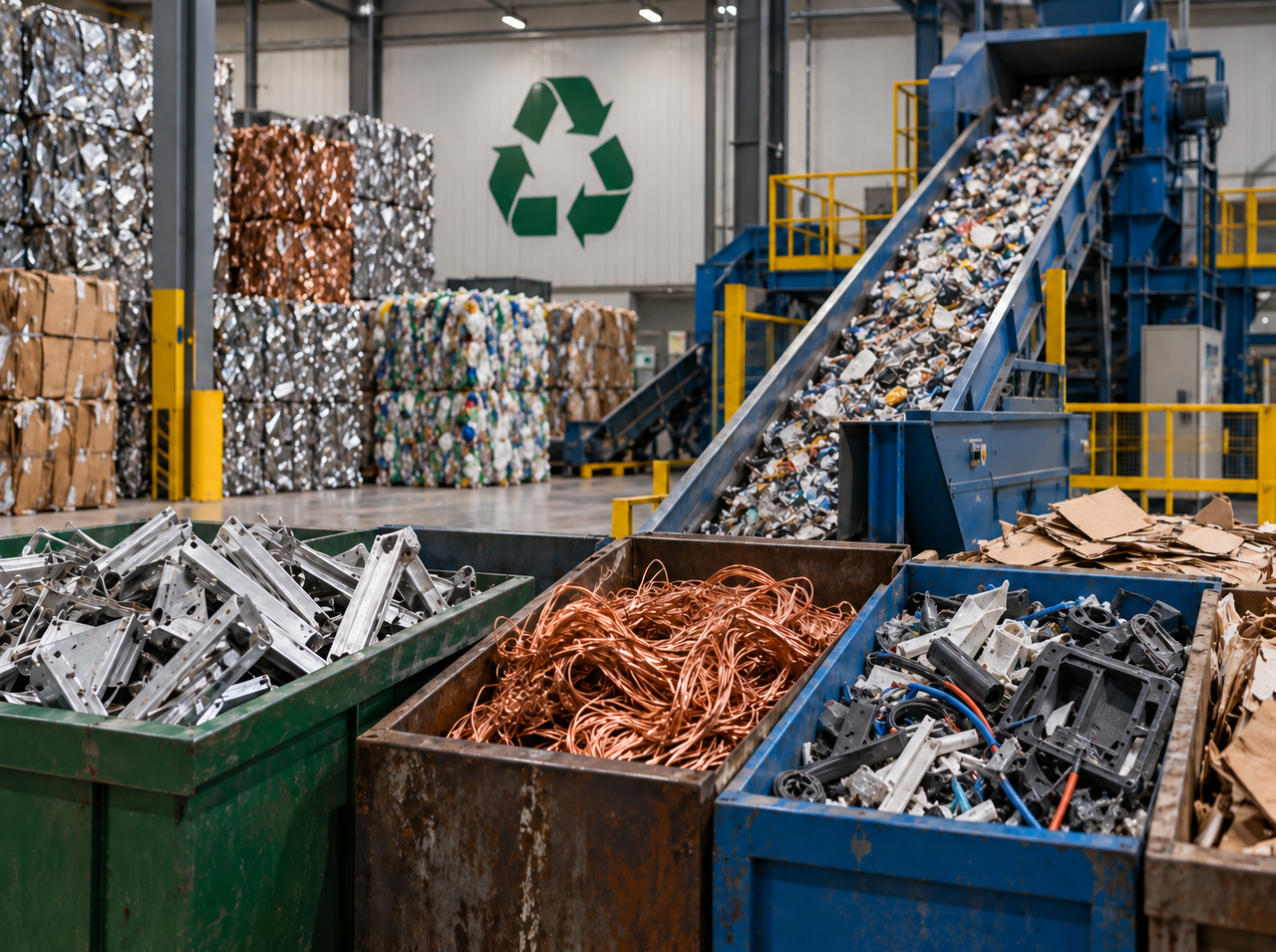
Recycling is one of the most established and widely adopted landfill diversion strategies in industrial settings. It involves collecting and processing materials into raw materials that can be reintroduced into manufacturing processes.
In sectors like heavy equipment and electronics, metals including steel, aluminum, and copper are commonly reclaimed from scrap inventory or decommissioned equipment. Plastics from packaging, cable insulation, and molded parts are sorted, shredded, and repurposed into usable resins. Even industrial-grade paper and cardboard can be diverted into recycling streams, reducing demand for virgin materials.
Recycling is typically the right diversion route when materials or assets no longer have practical reuse, redeployment, resale, refurbishment, or component recovery potential. At that stage, recycling provides a practical route for diverted waste, helping recover remaining material value while reducing the amount sent to landfill.
3. Energy Recovery
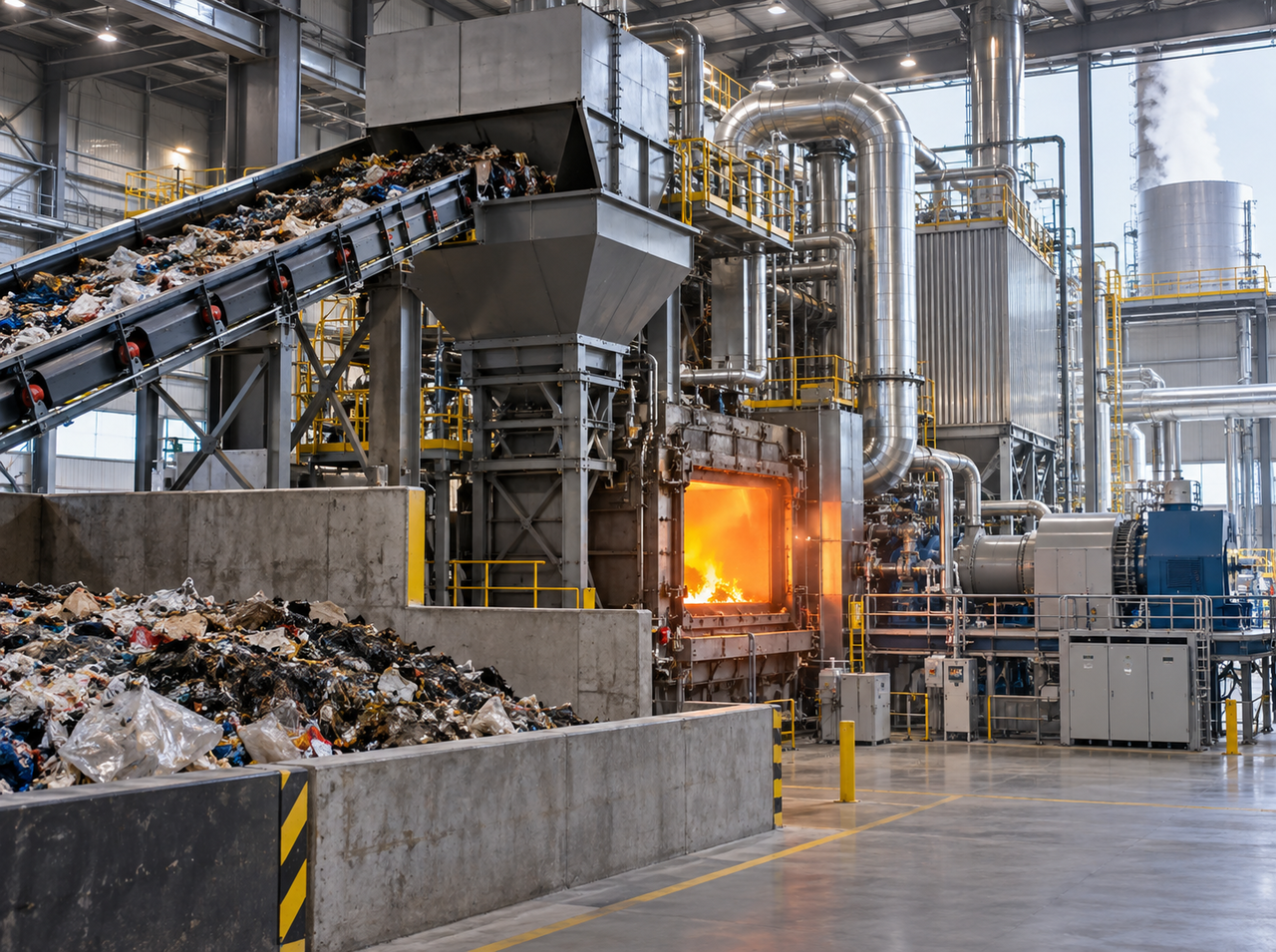
Energy recovery provides a productive outlet for industrial waste streams that cannot be recycled or reused. This diversion strategy channels non-recyclable materials, such as contaminated packaging, residual plastics, or process by-products, into waste-to-energy facilities, where they are processed under controlled conditions to generate heat or electricity.
Some manufacturing sites and heavy equipment plants also participate in industrial co-processing, where certain wastes are used as alternative fuels in cement kilns or other high-temperature processes.
By converting suitable waste into energy, these practices can reduce landfill volume, offset some demand for conventional fuels, and provide an alternative end-of-life route for materials that cannot be practically reused or recycled.
Underused Diversion Strategies
While common landfill diversion practices form the foundation of industrial waste management, several high-value approaches remain underused. Here are the underused landfill diversion strategies that help companies recover more value from surplus assets, extend the useful life of materials and equipment, and reduce the amount of usable resources sent for disposal:
4. Asset Recovery & Surplus Resale

Asset recovery transforms idle equipment, tools, obsolete assets, and excess inventory from a disposal liability into a value-generating resource. Instead of sending usable assets directly to recycling or disposal, companies can first evaluate where they still have operational or market value.
Assets that are no longer needed internally can be resold through secondary markets, industrial buyers, auction platforms, or supplier return programs. This helps extend asset life while providing a resale or recovery route for machinery, components, and inventory that would otherwise remain idle or occupy valuable warehouse space.
This approach recovers working capital, frees up storage capacity, and keeps usable industrial assets out of landfill. When managed systematically, asset recovery can also create a measurable sustainability impact by reducing unnecessary disposal and keeping assets in productive use for longer.
Case Study
A $10 billion plumbing manufacturer worked with Amplio to address $4.3 million in surplus MRO inventory spread across multiple facilities. Amplio evaluated the inventory and directed assets toward the most appropriate recovery channels, including resale, consignment, liquidation, recycling, or removal. The project helped eliminate $4.3 million in surplus inventory, avoid more than $1 million in carrying costs, and keep 11 tons of MRO materials out of landfills.
5. Remanufacturing & Refurbishment
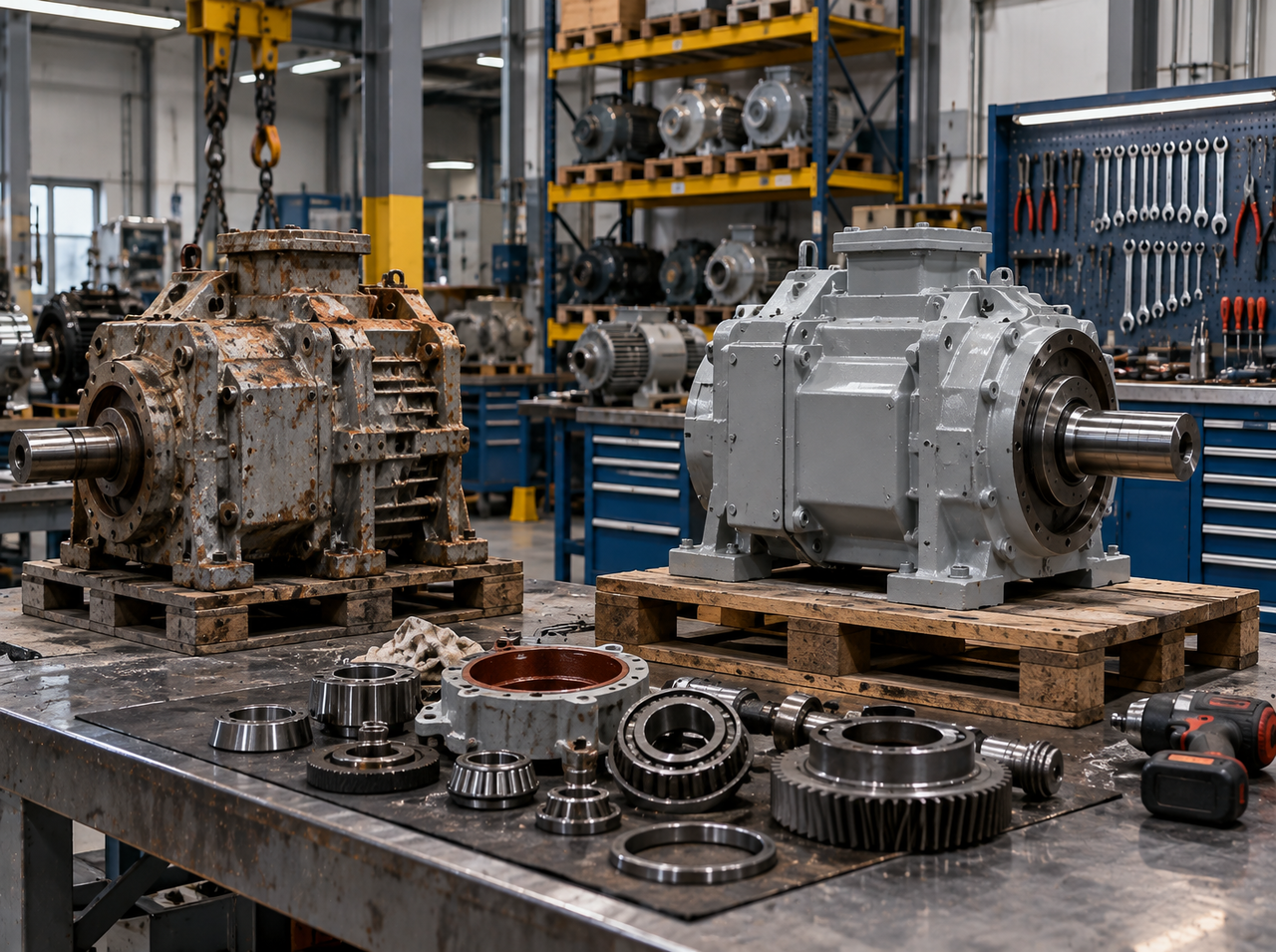
Remanufacturing and refurbishment give worn, aging, or underused components and equipment a second life by restoring them to usable condition. Depending on the asset, this can involve inspection, repair, replacement of worn parts, cleaning, testing, or performance upgrades.
This work is often carried out by original equipment manufacturers (OEMs) or qualified third-party specialists that restore parts or equipment for continued use. Refurbished machinery and components can then return to service internally or be resold through secondary markets.
By extending the operational life of valuable assets, you reduce waste generation and lower demand for replacement equipment and new raw materials. This can also increase the amount of waste diverted from landfill by keeping recoverable components and materials in use for longer.
6. Parts Harvesting & Component Reuse
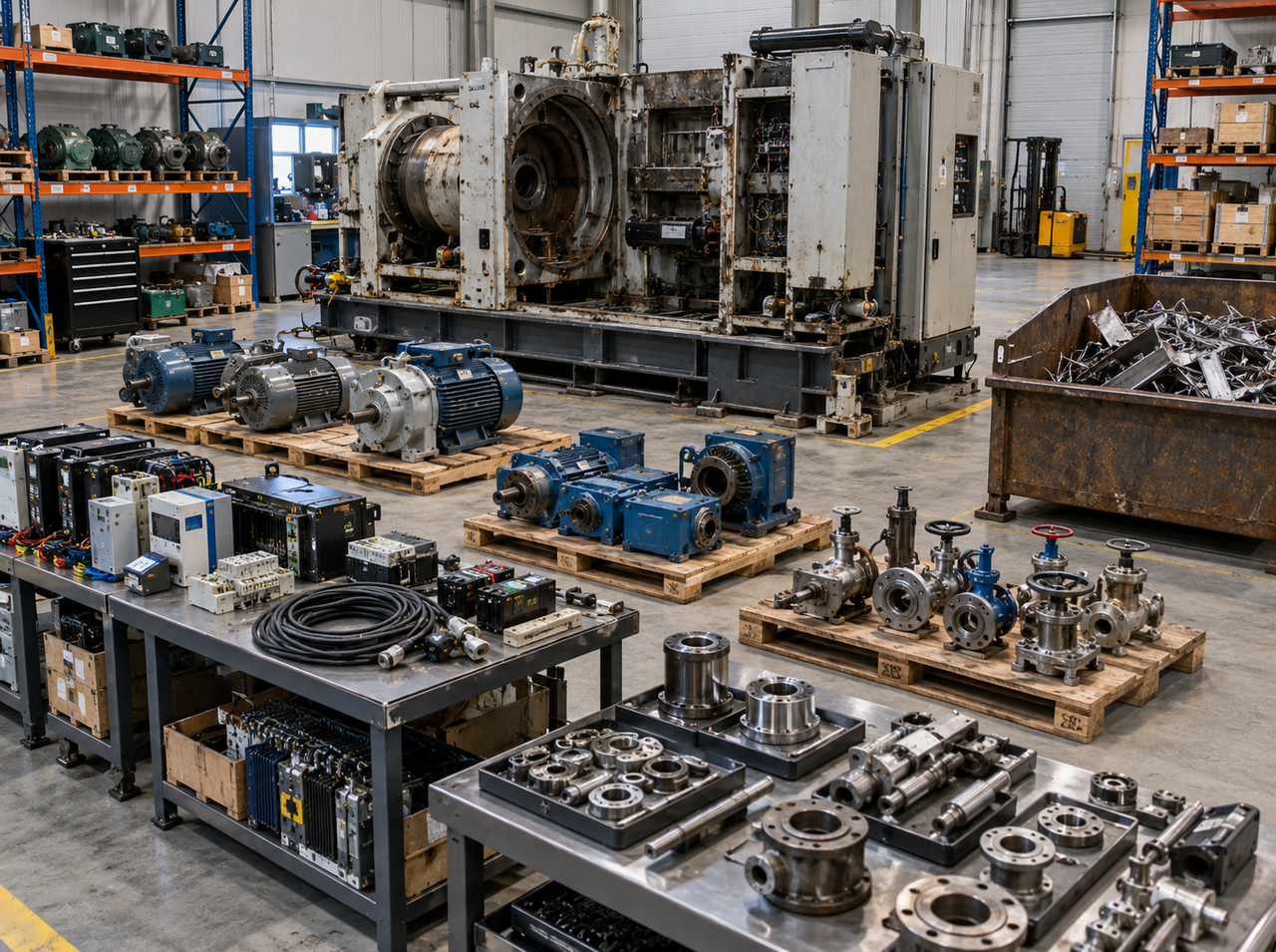
Parts harvesting is another underused diversion strategy that involves salvaging usable components from decommissioned or end-of-life equipment for use as spares or in repair operations. While not every component can be recovered, this approach helps functional parts continue to support maintenance needs and reduces the number of usable components sent to disposal.
Recovered components can be reused internally, transferred to other equipment, or retained as spare parts. This helps companies recover more value from assets that are no longer useful as complete units and can reduce the need to purchase replacement components.
Non-recoverable cores or unusable components can then be directed to appropriate recycling streams. By prioritizing component reuse where possible, you recover more value from the asset and further lower your waste footprint.
7. Industrial Symbiosis

Industrial symbiosis creates value by redirecting scrap, off-cuts, by-products, or surplus materials to other companies that can use them as production inputs. Instead of sending these materials to disposal, businesses identify where they can serve as raw materials in another industrial process.
This exchange can help the company generating the material reduce disposal costs while helping the receiving company lower its need for new raw materials. When these exchanges occur between nearby facilities, they can also reduce transportation requirements and make material transfers more practical.
By building partnerships within your industrial ecosystem, you create more opportunities to keep materials in productive use, supporting industrial circularity and measurable waste diversion outcomes.
How Amplio Supports Industrial Waste Diversion
AI-Powered Appraisal
Amplio uses AI-powered appraisal to evaluate surplus inventory and equipment and identify the most suitable recovery path. This helps your team determine which assets still have internal or secondary-market value before they are considered for recycling or disposal.
Internal Redeployment
Amplio helps identify opportunities to move usable equipment, MRO inventory, and other surplus assets between facilities where they are still needed. This extends asset life, reduces unnecessary purchases, and keeps valuable assets in productive use for longer.
Network of Pre-Vetted Industrial Buyers and Sellers
When assets are no longer needed internally, Amplio connects them with a network of pre-vetted industrial buyers and sellers. This helps create secondary-market demand for surplus machinery, components, and inventory while recovering value and reducing unnecessary disposal.
Contact us now to integrate these diversion strategies into your operations and achieve sustainable industrial waste management.