How Amplio Uses AI to Simplify Surplus Inventory Appraisal and Cataloging

Manufacturers can accumulate thousands of surplus SKUs across multiple facilities, often with incomplete descriptions, inconsistent records, or limited asset information.
Cataloging and appraising that inventory manually is slow and difficult, especially when teams need to identify equipment, organize specifications, research comparable sales, and review assets one by one.
Amplio uses AI to reduce that manual work, structure surplus inventory data, and make larger asset portfolios easier to catalog and appraise. With an accurate valuation in hand, you can then make better, faster decisions to optimize your inventory position and earn cash back from surplus asset sales.
Why Traditional Surplus Cataloging and Appraisal Take So Much Time

Traditional surplus cataloging involves multiple manual steps. Teams may need to travel to a facility, photograph equipment, locate data plates, record specifications, and match those details to individual assets.
The work continues after the site visit. Photos must be linked to the correct equipment, information entered into spreadsheets, records organized, comparable sales researched, and assets appraised one by one.
A typical manual workflow involves multiple days at a facility collecting photos and equipment information, followed by another two weeks back at the office structuring that data.
The process becomes that much harder when a manufacturer is dealing with thousands of surplus SKUs across multiple facilities. What may be manageable for a small group of machines becomes far more time-consuming when repeated across a large asset portfolio of machinery, equipment, and spares.
How Amplio Uses AI to Catalog Surplus Inventory
Amplio uses an AI-powered cataloging app to turn equipment information collected at a facility into structured asset records. This eliminates manual data entry before surplus inventory can be reviewed, appraised, or prepared for sale.
Capture Asset Information From Data Plates and Photos
Data plates and labels are a critical source of information because they can contain details such as manufacturer, model number, serial number, and equipment specifications.
Amplio’s AI cataloging app can extract information from those data plates and use supporting photos to help identify the asset. When information is incomplete, the system can also help identify the equipment using the details that are available.
Good source information still matters. A general photo of a machine is not always enough to identify it accurately, which is why clear data-plate photos remain an important part of the cataloging process.
Turn Raw Asset Information Into Structured Records
Once the equipment information is captured, Amplio’s AI helps organize it into structured asset records. This improves inventory visibility and reduces the need for teams to manually enter and connect information in spreadsheets.
Those records can then support inventory review, appraisal, secondary-market listings, and later surplus asset disposition decisions.
By automating much of the work between collecting asset information and creating a usable record, Amplio makes it easier to catalog larger volumes of surplus inventory across manufacturing facilities.
How Amplio Uses AI to Appraise Large Surplus Portfolios
Amplio uses a series of AI models, skills, and agents to analyze surplus assets against secondary-market data, internal data, comparable sales, asset age, condition, market activity, and logistics factors. This allows large asset lists to be reviewed at a scale that would be difficult to manage manually.
Match Assets With Relevant Comparable Data
Asset records are not always complete or consistent. Model numbers may be missing, descriptions may vary, and similar equipment can appear under different naming conventions.
Amplio’s AI uses fuzzy matching to help connect those imperfect records with relevant comparable assets and past market activity. This gives the appraisal process a stronger basis for estimating how similar equipment has performed in the secondary market.
Estimate a Practical Range Instead of a Single Number
Amplio does not treat appraisal as a single fixed value. Its AI considers comparable sales, asset age, condition, market activity, size, and expected logistics costs to estimate a defensible range of potential outcomes.
Liquidity also matters because an asset may have a high historical sale price but limited buyer activity. By considering both price and likely sales activity, Amplio can estimate a more practical recovery range for each asset instead of relying on a single comparable sale.
What AI-Powered Appraisal Changes for Manufacturers
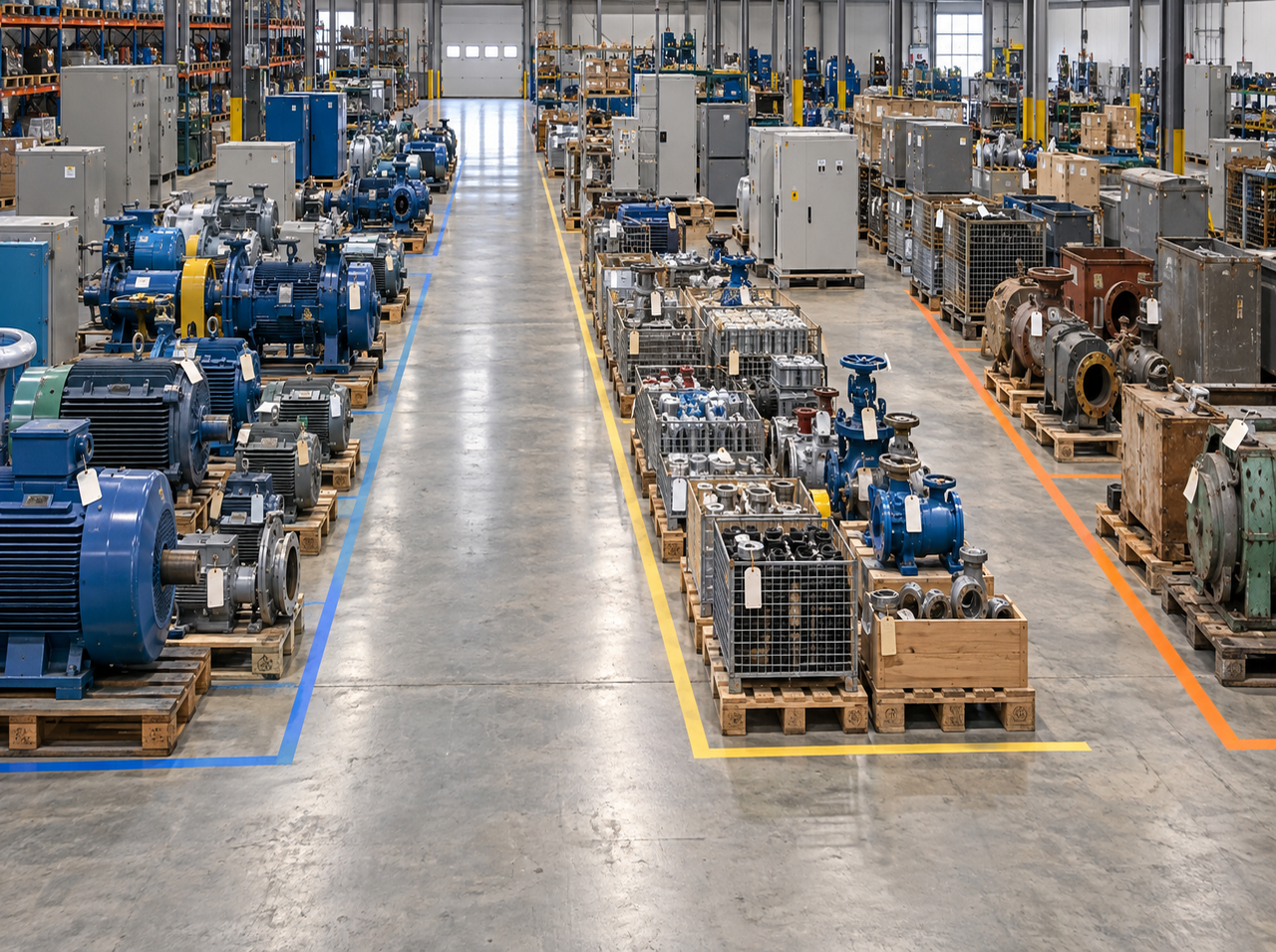
AI-powered appraisal makes it practical to evaluate large surplus inventories at the line-item level. Instead of receiving only a bulk buyout offer or an appraisal for a small group of selected SKUs, manufacturers can get more detailed information across a much larger asset list.
Faster appraisal also gives different teams more useful information to work with. Finance can use the results for planning, while supply chain and engineering teams can review individual SKUs and decide which assets should be kept, sold, or responsibly disposed of.
For manufacturers managing thousands of surplus items, this creates a clearer basis for surplus asset management decisions. More of the portfolio can be reviewed, compared, and prioritized instead of leaving most of the asset list unanalyzed.
How Expert Review Complements AI-Powered Appraisal
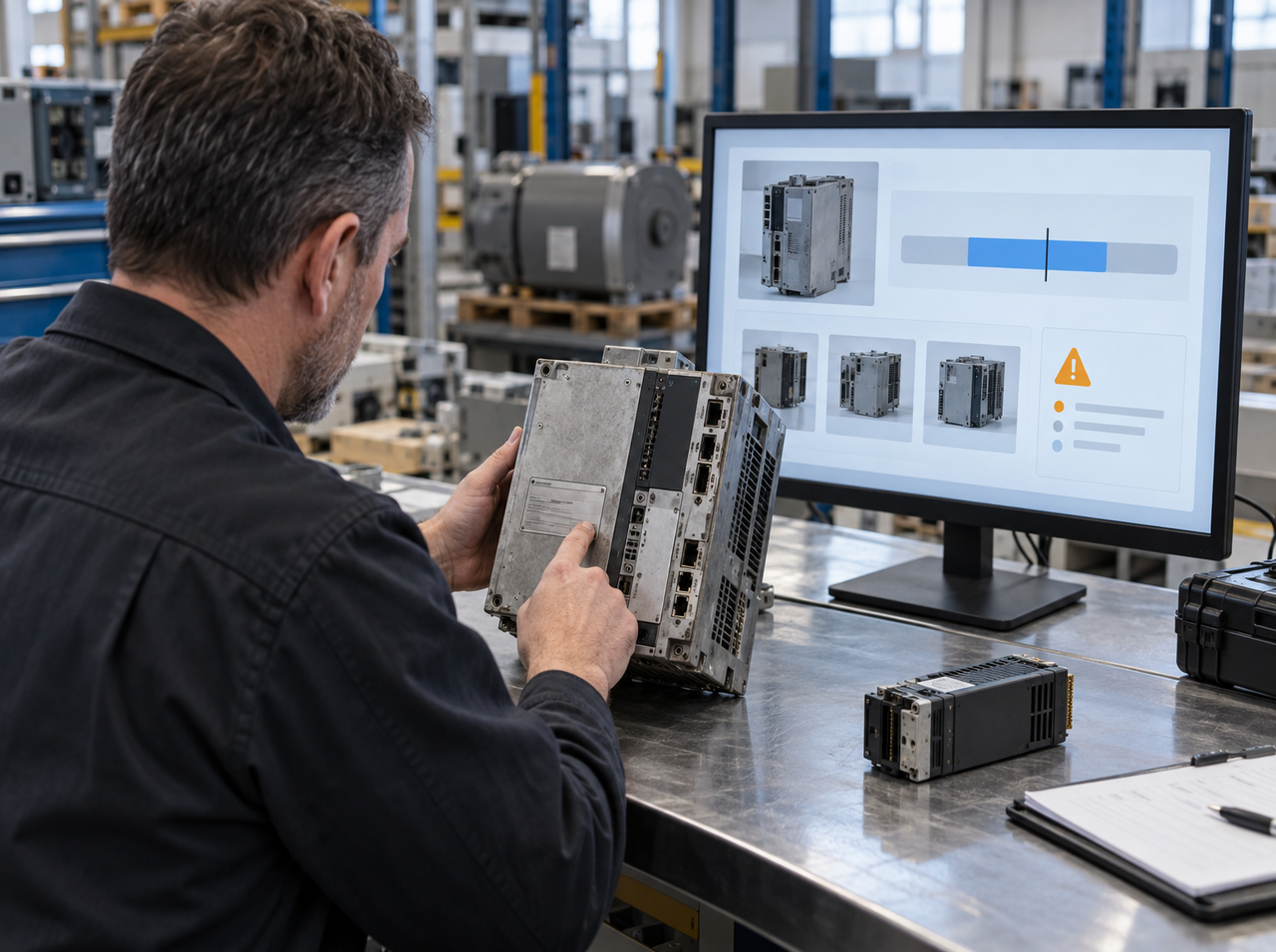
AI can process large amounts of asset and secondary-market data, but its output is not treated as a final answer. Market data can be limited, and the system may sometimes match an asset with a comparable that does not fully reflect the equipment being appraised.
Amplio’s experts review the AI-generated ranges and recommendations before making disposition decisions. They can identify issues the model may miss, such as differences between equipment models, software restrictions, or firmware that cannot be transferred to another owner.
This review matters because AI provides a range of possible outcomes rather than an exact answer. Expert judgment helps determine how those results should be interpreted for the specific asset and market.
AI reduces much of the repetitive research involved in appraisal, while Amplio’s team applies the judgment needed to turn that information into a practical recommendation.
Conclusion
Surplus inventory becomes much easier to evaluate when manufacturers first understand what they have and then determine what those assets may be worth.
AI-powered cataloging helps turn incomplete equipment information into structured asset records, while AI-powered appraisal uses market data and comparable sales to estimate recovery potential across larger surplus portfolios.
At Amplio, we use AI to reduce the manual work involved in both processes while keeping expert review in the loop.
Our free equipment and machinery appraisal service helps manufacturers understand the value of surplus machinery, spare parts, and other industrial assets before deciding what to do next.
Contact us to get started.