9 Key Tips for Evaluating Auction Partners for Industrial Assets

Introduction
Companies often use auctions when they need to sell industrial machinery and plant assets quickly. This might happen after a plant closure, a production line upgrade, or a change in footprint. A well-run auction can help clear a large volume of capital equipment within a set timeframe and turn idle assets into cash.
However, choosing the wrong auction partner can cause serious problems.
In this article, I have shared a practical checklist to help you evaluate auction partners for your factory assets.
Key Tips for Evaluating Auction Partners For Industrial Assets
Tip 1 - Confirm Experience With Your Type of Industrial Assets

The first and foremost thing to consider in an industrial auction partner is whether they have real experience with the type of assets you need to sell.
Industrial equipment varies widely, and selling assets from a power plant, chemical plant, or large-scale manufacturing facility requires specific expertise. Each asset category demands the right buyer network, market knowledge, and sales strategy. Working with a partner who understands your equipment ensures it’s positioned correctly and reaches qualified buyers.
Ask for examples of similar projects they have handled and review any case studies or sales results they can share. This helps you understand whether they have managed assets of similar scale, condition, and complexity.
Tip 2 - Review Their Reputation, Track Record, and References
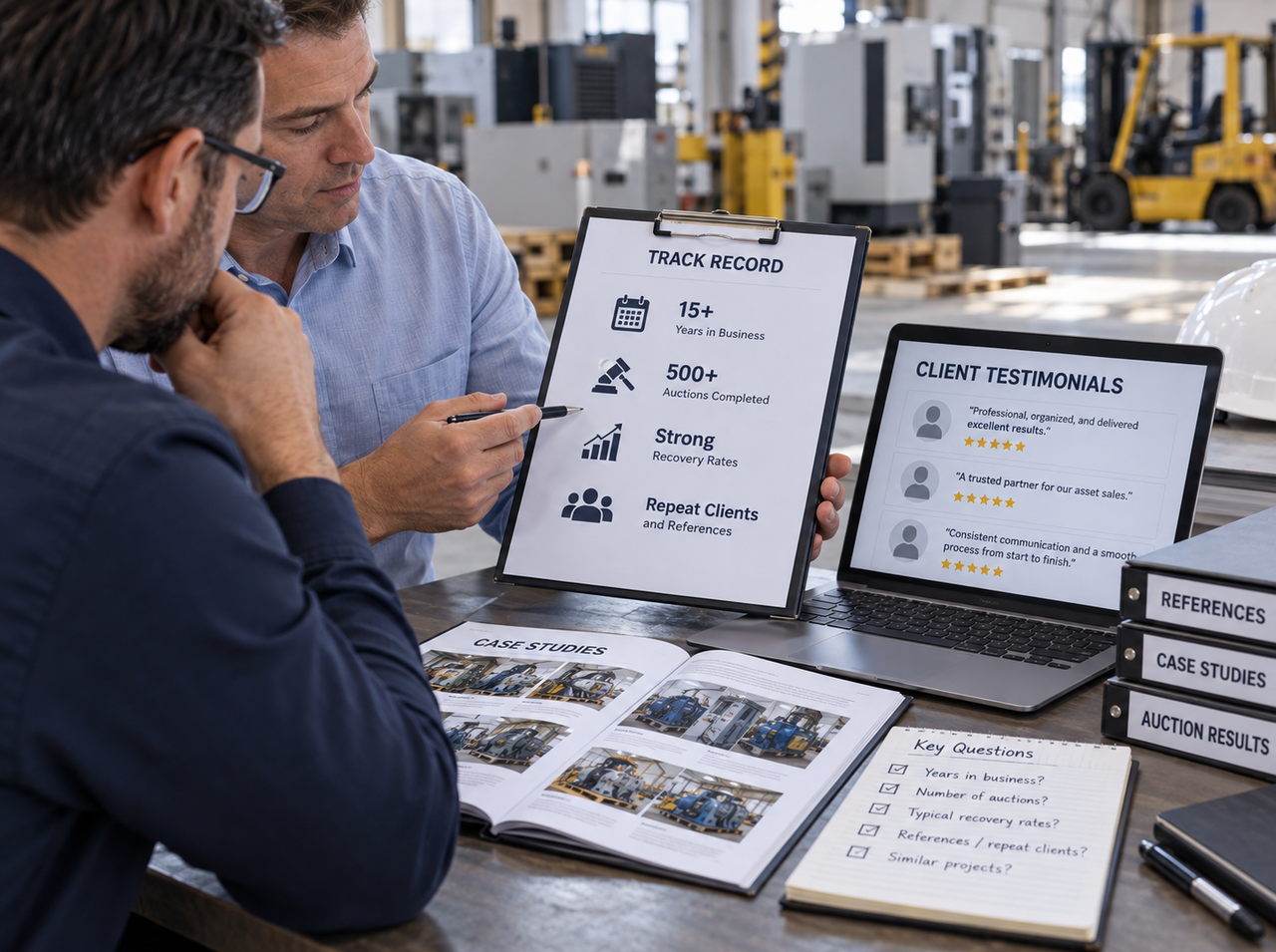
A strong reputation is one of the clearest signals that an auction partner can handle your assets effectively.
Partners with a solid track record tend to deliver more predictable results because they have refined processes, established buyer networks, and proven execution capabilities. Taking time to understand their history and past performance helps you avoid risk and select a partner you can trust.
Here’s what to look for:
- Years in business and scale of experience show how well they understand the market. Review how long they’ve operated and the number or size of auctions they’ve completed.
- Recovery rates are a key performance measure. Look for documented data showing how much value they typically recover across different asset categories. Strong recovery rates reflect effective marketing and competitive buyer engagement.
- References, repeat clients, testimonials, and case studies reveal how consistently they deliver results. These insights help you assess their reliability and whether they build long-term client relationships.
Tip 3 - Assess Buyer Network and Marketing Reach

The strength of an auction partner’s buyer network directly influences how much attention your assets receive and, ultimately, how much value you recover.
A partner with a robust, well-segmented buyer database can put your equipment in front of the right audience quickly, increasing competition and improving sales results. Without strong marketing reach, even high-quality assets may underperform simply because the right buyers never saw them.
Here’s what to consider:
- Large, segmented buyer database: Ensure they have strong buyer lists specifically for your asset category, whether it’s process equipment, CNC machines, heavy machinery, or other specialized assets.
- Impact of targeted marketing: Ask how they tailor marketing for high-value assets versus bulk, low-value items, and how this affects recovery value and sale speed.
Tip 4 - Evaluate Their Knowledge of Auction Formats
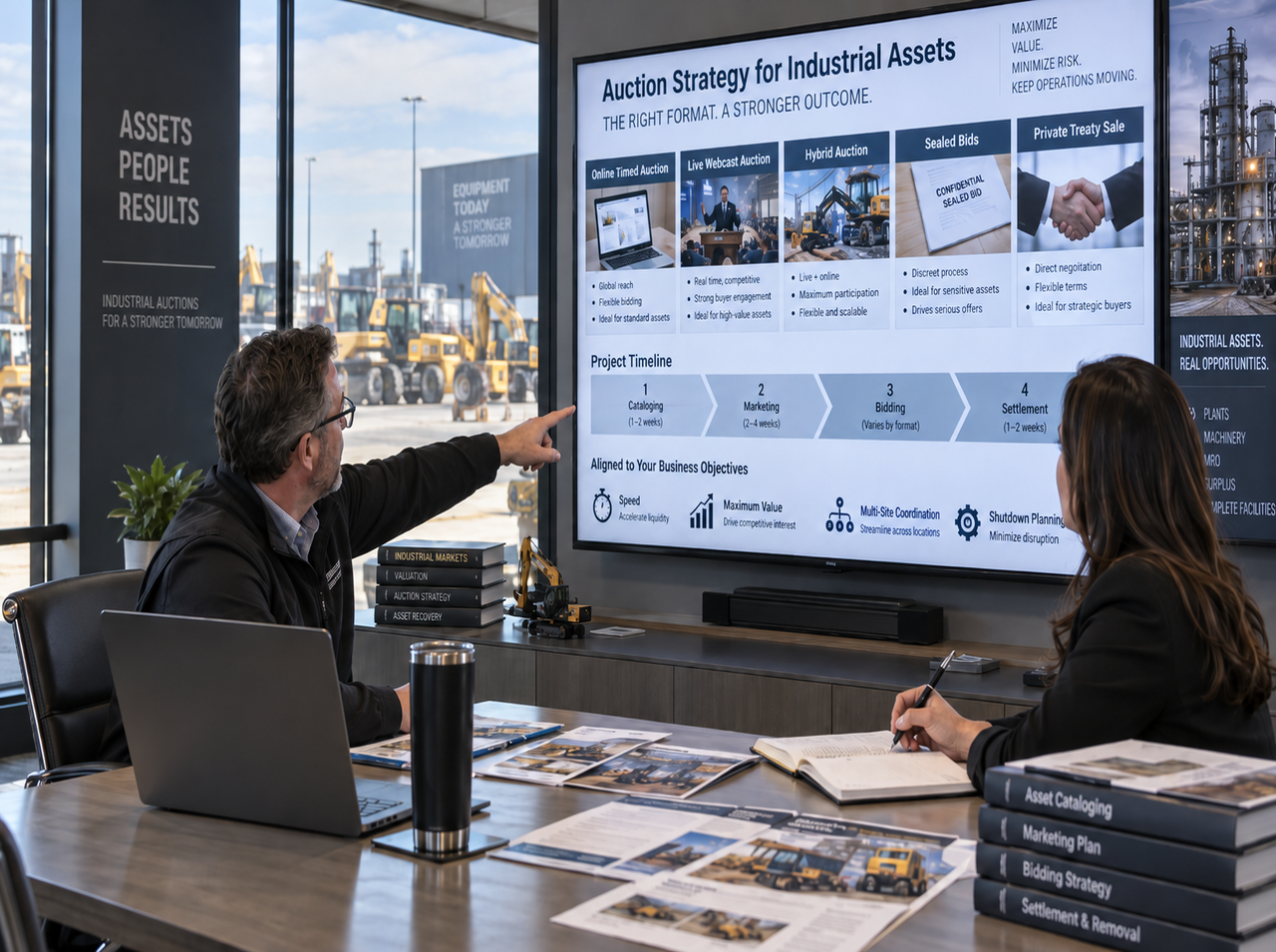
The structure of an auction has a major impact on engagement, bidding behavior, and final recovery value. A knowledgeable partner should be able to explain why a specific format fits your goals, asset mix, and timeline, rather than defaulting to a one-size-fits-all approach.
Key elements to evaluate include:
- Auction formats: Confirm the partner understands when to use online timed events, live webcasts, hybrid models, sealed bids, or private treaty sales, and can match each format to the situation.
- Alignment with your objectives: Make sure the recommended format is based on your priorities, whether you need speed, maximum value, multi-site coordination, or support for a planned shutdown.
- Timeline clarity: Look for a clear schedule covering cataloging, marketing, bidding, and settlement so the auction aligns with your operational and financial requirements.
Tip 5 - Inquire About Operational Team and On-Site Capabilities
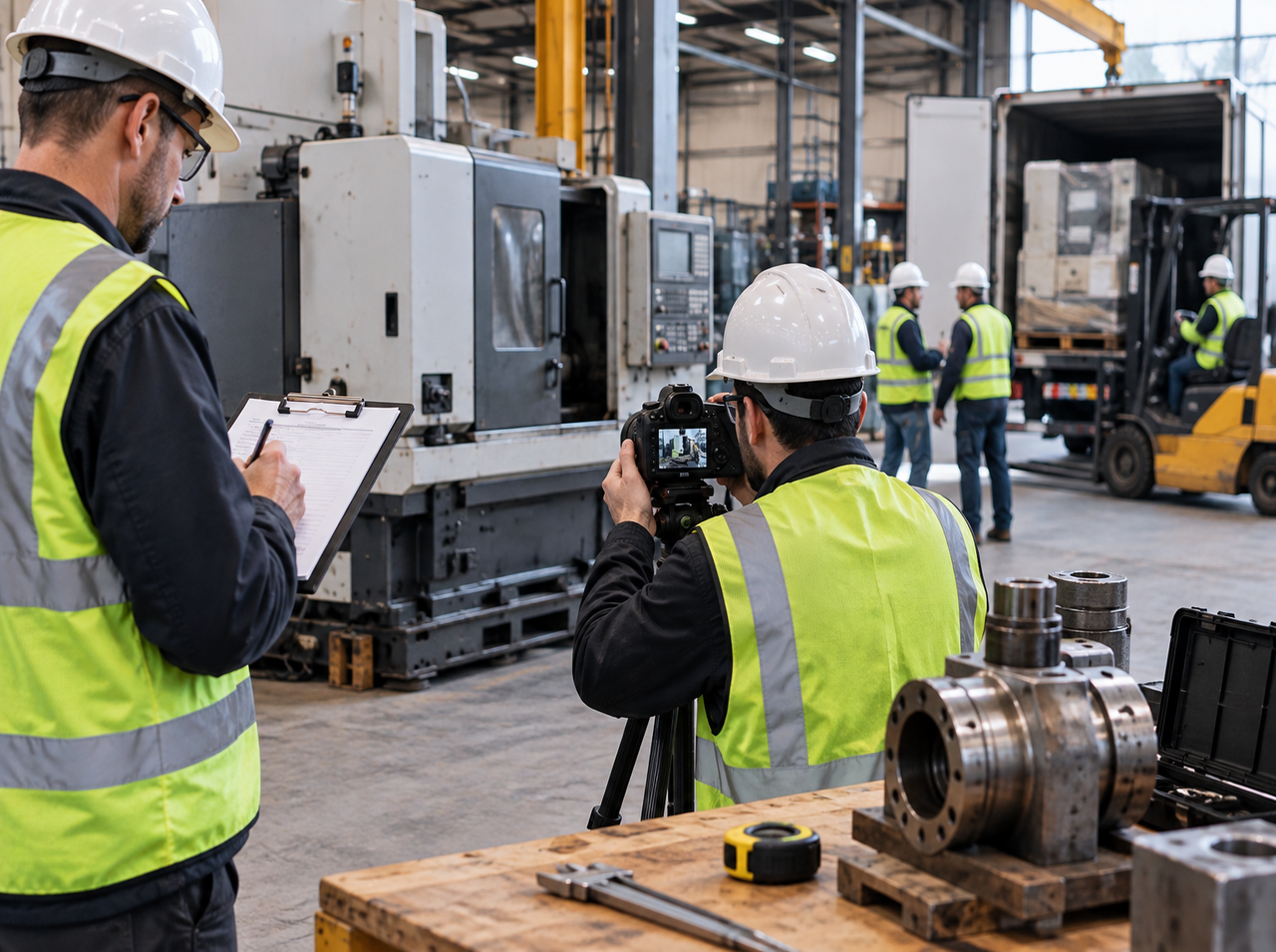
A strong operational team is essential for executing an industrial auction smoothly.
The partner should have specialists in their team who understand asset recovery and industrial disposition management, ensuring every step of the process is handled safely, accurately, and with minimal disruption to your site. The quality of their on-site execution directly affects bidder confidence and overall auction performance.
Key capabilities to look for include:
- Knowledgeable operational staff: Confirm they have asset recovery specialists or team members experienced in industrial equipment handling, appraisals, and disposition workflows.
- Accurate cataloging and photography: High-quality descriptions, measurements, and images are critical for complex machinery and directly influence buyer interest.
- Lotting strategy: Review how the partner plans to group assets. Strong lotting can significantly improve buyer interest by presenting equipment in a logical, attractive way.
- Inspection and safety management: Review how they coordinate site visits, manage safety protocols, and supervise buyers during equipment inspections.
- Removal and logistics coordination: A reliable partner will oversee rigging, equipment removal, freight coordination, and site restoration, reducing risk and operational burden on your team.
Tip 6 - Check Licensing, Credentials, and Compliance Awareness
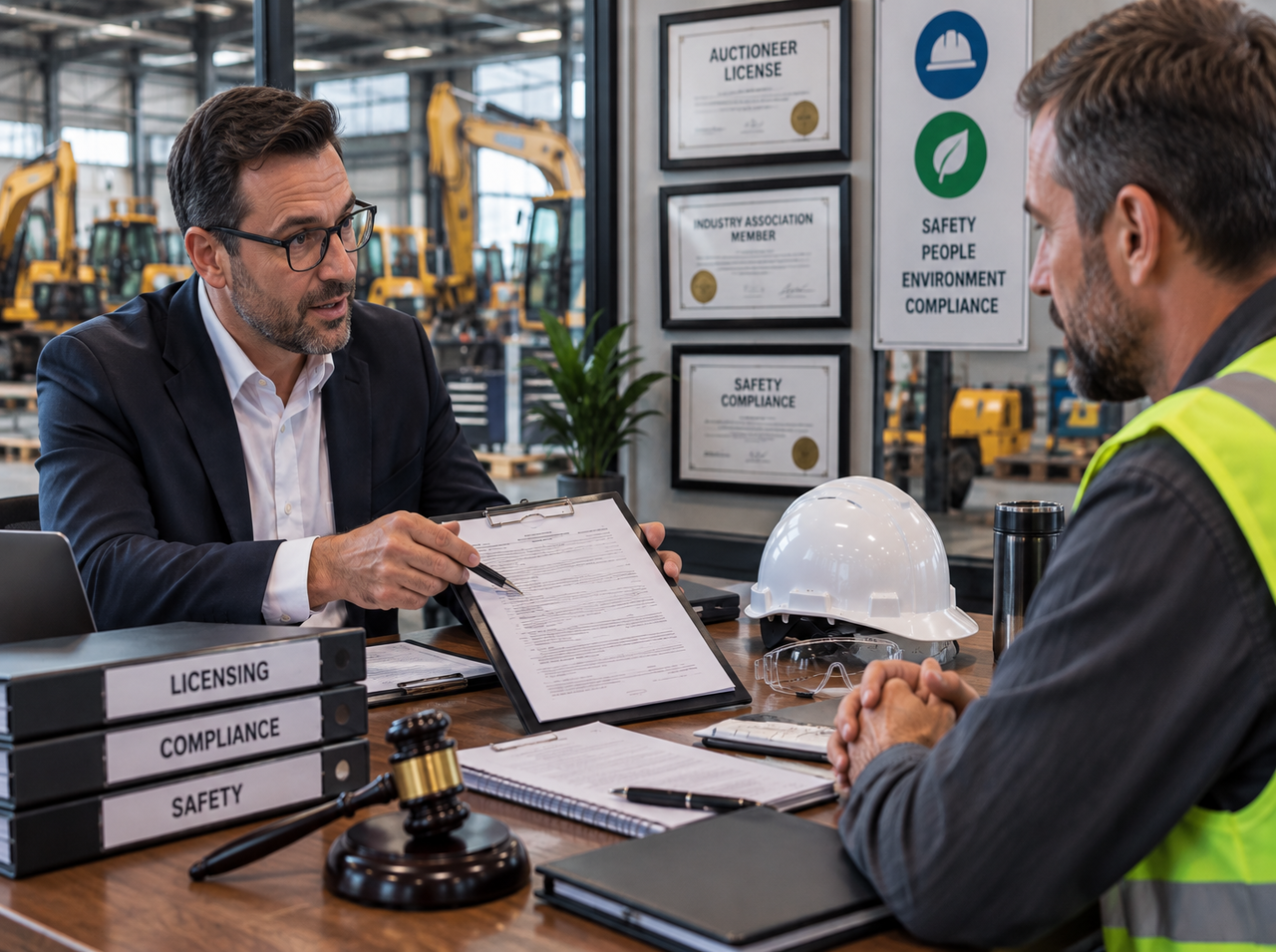
The partner you choose should demonstrate proper licensing and compliance for the regions in which they operate. Auctioneer licenses, where required, signal that they meet local regulatory standards and can legally conduct sales without exposing your company to risk.
Membership in recognized industry associations also indicates a commitment to professional standards and ethical practices.
It’s equally important that the partner understands environmental, health, and safety requirements, as well as data and security considerations for equipment that stores information.
Proper credentials and compliance awareness help protect your business from legal issues, safety incidents, and reputational damage during and after the auction process.
Tip 7 - Analyze Fees, Commercial Terms, and Settlement Structure
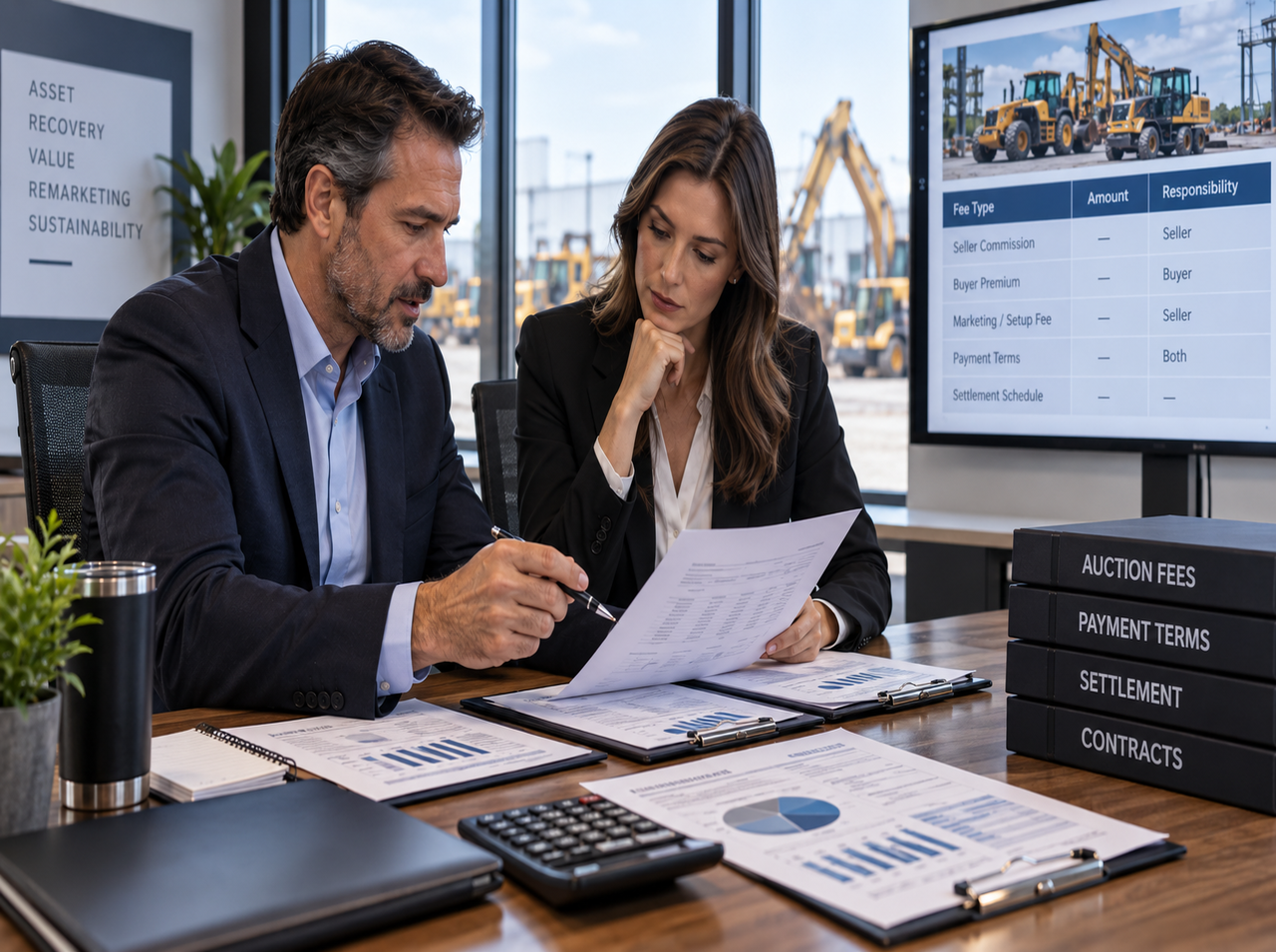
Confirm that the auction partner offers full transparency on fees and commercial terms.
A clear breakdown of costs and a well-structured settlement process are essential for accurately projecting financial outcomes and preventing unexpected deductions.
Key points to review include:
- Types of fees: Identify all charges such as seller commissions, buyer premiums, marketing or setup fees, minimums, or guarantees.
- Who pays what: Understand the balance between seller fees and buyer premiums, since this can influence bidder behavior and overall competitiveness.
- Payment terms: Confirm when and how settlement will occur so you know when funds will be released after the auction.
- Contract transparency: Ensure all terms are documented in a clear written contract, with no hidden costs or ambiguous language.
Tip 8 - Look for Data Transparency and Reporting Mechanism
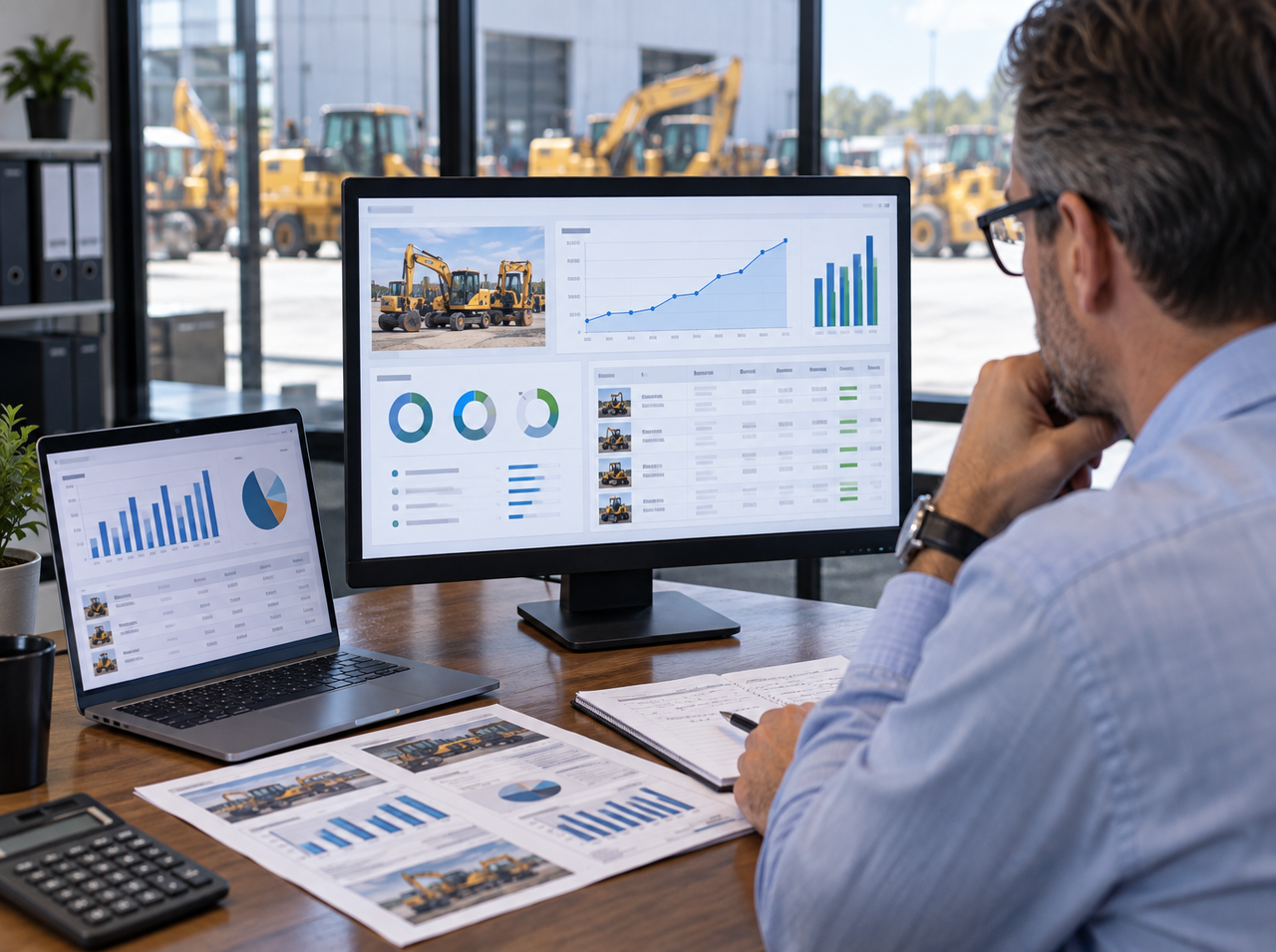
Strong reporting is a sign of a disciplined and trustworthy auction partner. Clear visibility into performance at every stage of the process helps you understand what is working, identify risks early, and provide confident updates to internal teams such as finance, leadership, and auditors.
Key areas to review:
- Pre-sale metrics: Confirm you have visibility into inquiries, page views, bidder registrations, and marketing activity. These metrics help you gauge early buyer interest.
- During the sale: Ensure the partner provides insight into bidding patterns and engagement levels. This supports real-time decision-making and helps you understand how the auction is performing.
- Post-sale reporting: Expect detailed lot-level results, comparisons against estimates or appraisals, and insights that can improve future disposition projects.
Tip 9 - Confirm They Use the Right Disposition Methods, Not Just Auctions
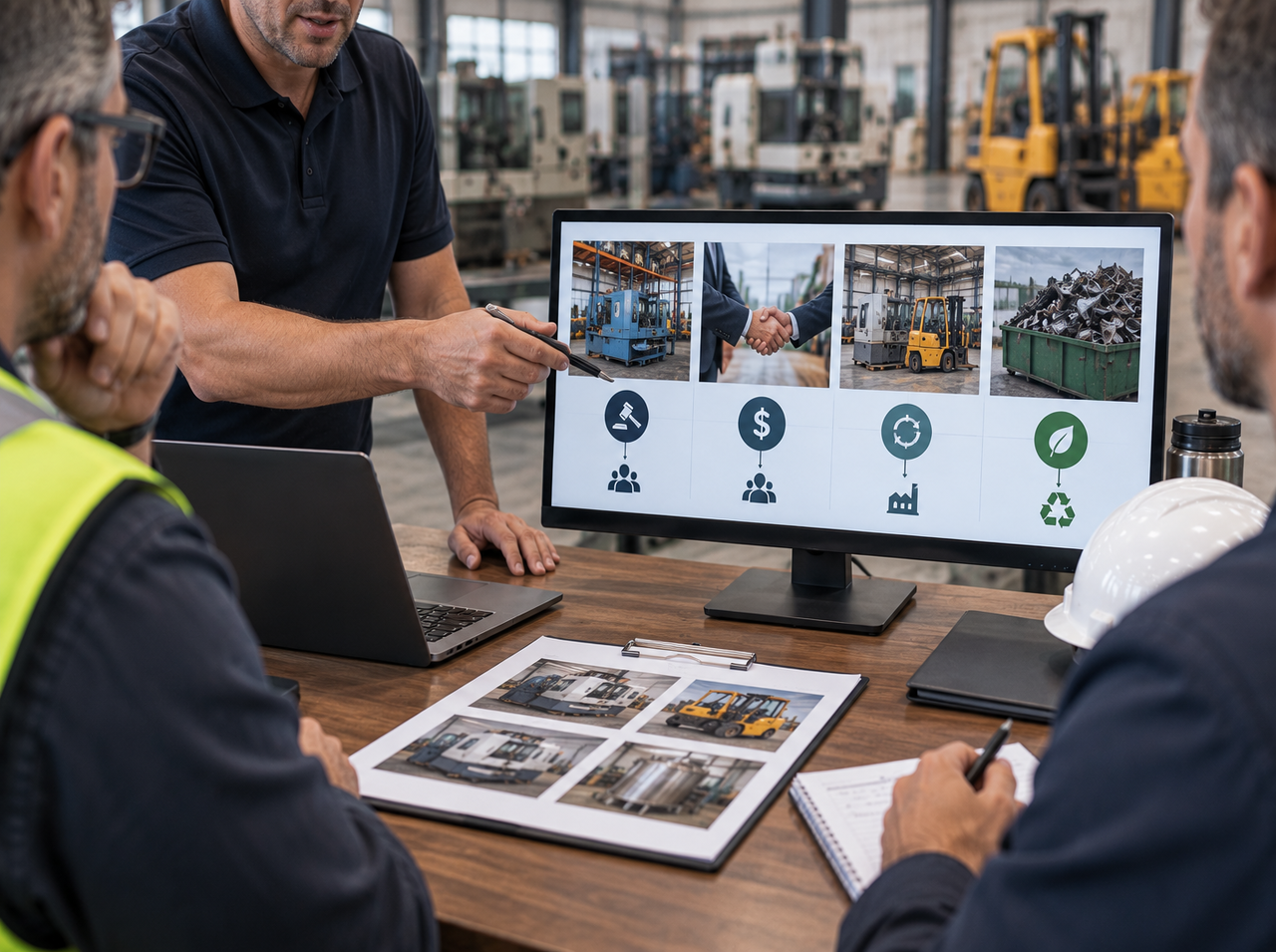
A reliable auction partner should evaluate all disposition options, not rely on auctions by default. Auctions are effective when you need to move large volumes of low-value items or clear significant capital equipment quickly, but they are not always the most profitable method.
Make sure the partner can also support redeployment and direct sale opportunities. Redeployment keeps useful equipment in your network, and direct sales often achieve higher recovery for value-dense assets.
The right partner will match each asset to the method that delivers the strongest financial return, not the method that is easiest for them to execute.
Why Amplio Is the Right Partner for Your Factory Asset Auctions
Higher Recovery Rates Through Data-Backed Execution
Amplio consistently delivers stronger resale outcomes by combining market data, pricing intelligence, and verified buyer demand. Current customers see value recovery that is 20-50% higher than traditional liquidators. This gives your organization a measurable financial advantage when retiring or consolidating factory assets.
AI-Powered Workflows for Accurate Appraisal and Faster Decisions
Amplio’s AI-powered agents, along with our team of experts, review your full equipment list at the SKU and system level, identify resale potential, and produce an optimized disposition plan. These workflows reduce manual effort and eliminate uncertainty, allowing your team to move from evaluation to auction readiness in days instead of months. Each item enters the right channel with accurate pricing and complete documentation.
Disposition Channels Selected Through Real Market Insight
Not every asset should go straight to auction. Amplio uses data from thousands of transactions to recommend the best route for ach category. High-value machinery moves through curated private marketplace sales. Bulk lots and low-value equipment flow into targeted liquidation auctions. Commodities or end-of-life items follow certified scrap workflows. This channel selection ensures every asset is handled most profitably and efficiently.
Ready to Maximize the Value of Your Factory Assets?
Contact us to see how Amplio can build and manage your factory asset auction strategy with accurate valuation, trusted buyer networks, and AI-supported execution.