Power Plant Liquidation: Step-by-Step Guide to Valuation and Asset Recovery

Power plants are often decommissioned due to aging infrastructure, high maintenance costs, or the transition to cleaner energy. Yet, when operations stop, the equipment left behind — turbines, transformers, and control systems — still holds significant value.
Managing these heavy industrial assets during closure can be complex. Without proper planning, businesses risk losing potential returns. A structured approach to liquidation ensures that each asset is accurately assessed and recovered for maximum value.
In this article, we’ll explain what power plant liquidation is, how to perform accurate asset valuation, and the best ways to recover value from decommissioned power equipment through liquidation.
What Is Power Plant Liquidation?
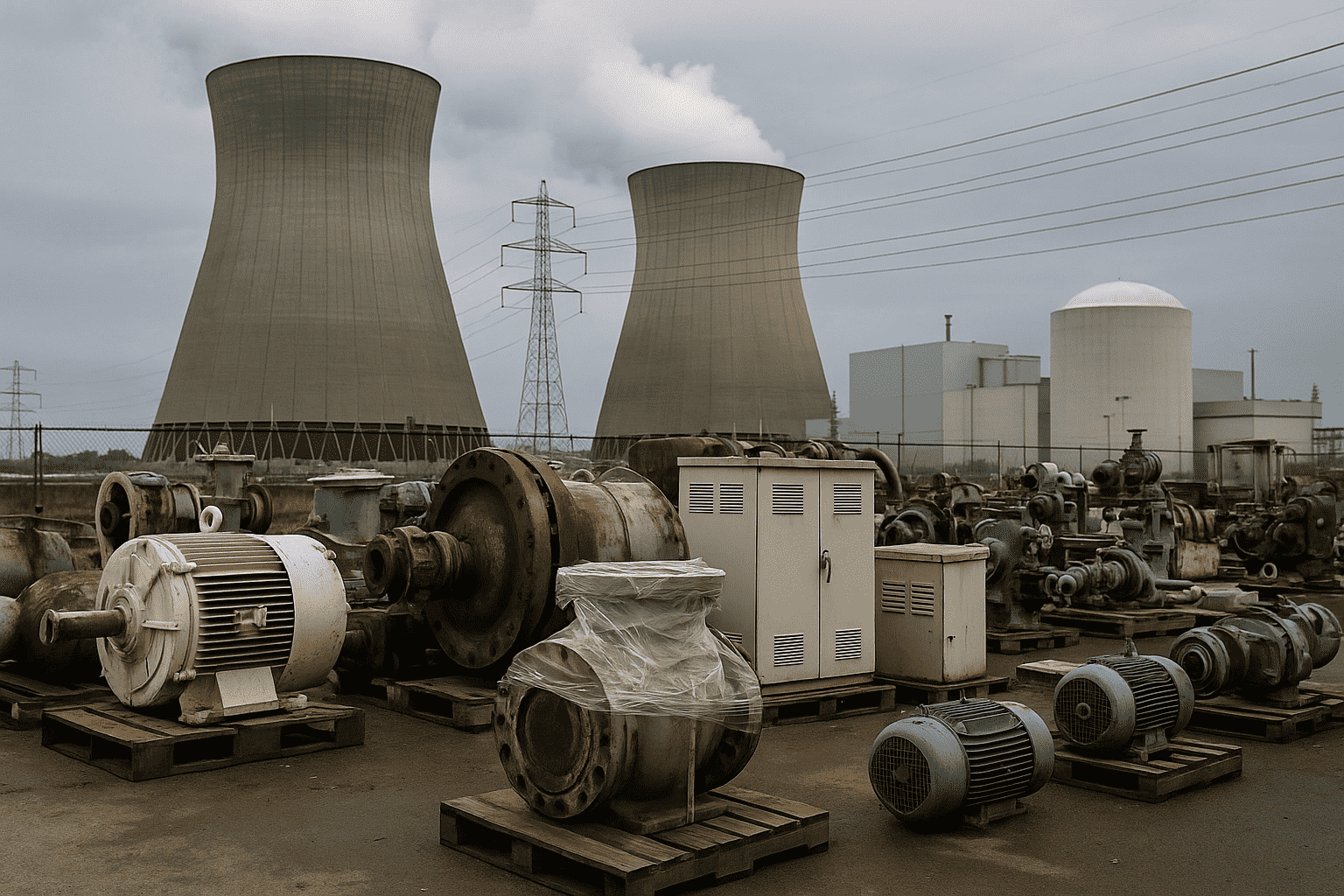
Power plant liquidation is the process of selling and converting decommissioned assets into financial value once a facility has been closed. Instead of letting valuable industrial equipment sit unused, liquidation ensures it is appraised, marketed, and sold through structured liquidation channels to recover maximum returns.
Typical assets involved include turbines, boilers, generators, transformers, switchgear, and control systems — all of which retain significant market value when properly maintained. Through organized liquidation, companies can recover costs, free up space, and divert waste while ensuring a transparent, efficient transition of equipment to new operators or buyers.
How to Conduct Power Plant Asset Valuation

Before initiating sales, every successful liquidation begins with a clear assessment and valuation plan to identify which assets hold the greatest potential for recovery.
Here is the step-by-step process for conducting a power plant asset valuation.
1. Asset Inspection and Data Collection
The first step in power plant asset valuation is a thorough on-site audit. This process establishes a clear understanding of what assets are available, their condition, and their potential market value.
Each piece of equipment — from turbines and transformers to control systems to MRO equipment — should be carefully inspected to record its condition, specifications, manufacturer, and operational history. This information helps determine not only the physical state of the asset but also its remaining useful life and resale potential.
During inspection, it’s essential to capture detailed documentation, including photographs, serial numbers, model details, and maintenance records. These records form the foundation for accurate valuation and later stages of liquidation or resale.
A precise audit minimizes uncertainty, reduces the risk of undervaluation, and ensures every asset is accounted for before moving to categorization and pricing.
2. Categorize Assets by Type and Condition
Once the inspection is complete, the next step is to categorize all assets based on their current condition and usability. This helps create a clear picture of what can be reused, refurbished, or sold.
Typically, power plant equipment falls into three main categories:
- Operational (ready for use):
Machinery or components in good working condition that can be redeployed or sold directly with minimal preparation.
- Repairable / Refurbishable:
Assets that require minor maintenance or upgrades before they can be reused or listed for sale.
- Scrap / Obsolete:
Outdated equipment, damaged beyond repair, or more valuable for its metal or material content.
This categorization is essential because it directly guides the valuation method and selling strategy.
- Operational assets are usually valued using market comparison (based on similar equipment sales).
- Repairable assets might require a cost-based approach to include refurbishment expenses.
- Scrap items are best assessed through material recovery value.
By classifying equipment early, businesses can focus resources on high-value assets and plan a more efficient, targeted liquidation process.
3. Choose the Right Valuation Method
Once assets are categorized, the next step is to apply the right valuation method to determine their fair market value. Different assets require different approaches depending on their condition and market demand.
The three main methods are:
- Market Approach: Compare the asset with recent sales of similar equipment in the secondary market — ideal for common items like generators or transformers.
- Cost Approach: Calculate replacement cost minus depreciation, suitable for custom or specialized machinery with limited resale data.
- Income/Residual Approach: Estimate value based on the asset’s remaining useful life or income potential, often used for partially operational equipment.
Note: Choosing the right method ensures each asset is priced accurately, laying the foundation for a successful liquidation.
4. Prepare a Valuation Report
The final step in the valuation process is to compile all collected data into a structured valuation report. This document serves as the foundation for decision-making during liquidation and recovery.
The report should include:
- Estimated resale and scrap value for each asset based on the chosen valuation method.
- Recommended recovery channel, indicating whether the asset should be sold, reused, or recycled.
- A priority list of high-value equipment that requires immediate attention to maximize returns.
A clear, well-organized valuation report ensures transparency and helps stakeholders make informed choices about liquidation timelines and strategies.
How to Recover Power Plant Assets Through Liquidation

Asset recovery in a power plant setting primarily occurs through structured liquidation, where decommissioned equipment is converted into cash value through organized sales.
Instead of allowing valuable assets to sit idle, liquidation enables businesses to recover returns efficiently while clearing the site for future use.
To execute a successful liquidation, companies can choose from several key liquidation channels — each suited to different asset types, timelines, and recovery goals.
Below are the most effective liquidation channels through which power plant asset recovery can be achieved.
1. Direct Sales
Direct sales involve selling equipment straight to end users or industrial buyers who have immediate operational needs.
This channel often yields the highest returns, as it eliminates intermediaries and allows for negotiation based on asset condition and market demand.
It’s ideal for high-value machinery such as turbines, generators, or switchgear that remain in working condition.
Note: Direct sales can be challenging without having an internal disposition team and established connections to qualified industrial buyers. Building or accessing a verified buyer network is essential to achieving successful and timely transactions.
2. Industrial Auctions
Industrial auctions — whether online or on-site — help liquidate large volumes of equipment quickly.
Timed auctions attract a wide pool of buyers, creating competitive bidding that drives value up while ensuring faster transactions.
This channel suits mixed asset lots or equipment with varying conditions, making it a practical choice during complete plant shutdowns.
3. Managed Sales Through Asset Value Recovery Firms
Brokered or managed sales involve working with specialized industrial liquidators or asset recovery firms that handle the entire selling process on behalf of the company.
These firms manage listings, conduct buyer outreach, and oversee negotiations, using their established industry networks to connect with qualified industrial buyers.
This channel is especially effective for technical or niche power plant equipment that requires expert pricing, targeted marketing, and specialized knowledge to reach the right audience.
Partnering with professional asset recovery specialists ensures assets are sold efficiently and at fair market value, even when internal sales expertise or buyer connections are limited.
4. Liquidation Marketplaces
Liquidation marketplaces provide a secure and transparent way to sell surplus power plant equipment by connecting sellers with verified industrial buyers.
There are two main types of marketplaces.
In public or self-managed marketplaces, companies list and manage their own equipment sales, gaining wider reach but handling listings and negotiations themselves.
In contrast, private or managed marketplaces are invite-only platforms run by asset recovery firms that oversee listings, buyer vetting, and sales management.
Both options offer a balance of speed, reach, and value, making marketplaces an effective channel for recovering asset value efficiently and discreetly.
What Are Other Options Beyond Power Plant Liquidation
While liquidation is often the most direct route to recover value from decommissioned power plant assets, its success rate can vary — often around 10% depending on market demand, liquidation channel, asset type, and timing.
When liquidation doesn’t deliver the desired results, several other value recovery options can still help maximize returns and reduce waste.
1. Redeployment
Redeployment is another practical alternative for value recovery.
Power Plant companies can transfer usable equipment—like turbines, switchgear, or control panels—to other facilities within the organization instead of letting them sit idle.
This approach helps reduce procurement costs, extend asset life, and avoid waste, ensuring valuable machinery continues to generate operational benefit even when external sales aren’t successful.
Note: Redeployment can be a fallback when liquidation falls short, but it’s not always feasible since it retains use, not direct financial value.
2. Parts Harvesting
When liquidation channels don’t generate sufficient returns, parts harvesting can serve as another effective value recovery option.
This involves dismantling decommissioned equipment to extract usable components such as motors, valves, pumps, or electronic controls that can be reused or resold individually.
By salvaging high-demand parts, companies can recover residual value even from non-functional machinery, support internal maintenance needs, and reduce reliance on new spare part purchases.
3. Scrapping
When assets are too old, damaged, or technologically outdated for resale, scrapping becomes a practical recovery option. This process involves dismantling equipment and selling non-recyclable or low-value materials as scrap, allowing companies to recover at least some residual worth.
While scrapping offers lower returns compared to liquidation, it provides quick site clearance, helps offset decommissioning costs, and ensures that unusable assets are safely and responsibly disposed of.
It’s a useful option when other recovery channels fail to deliver results or when immediate asset removal is required.
Amplio’s Approach to Maximizing Value from Power Plant Liquidation
AI-Driven Asset Appraisal
Amplio’s AI-powered appraisal tools evaluate power plant assets quickly and accurately. Our proprietary AI analyzes inventory lists at the SKU level to determine which assets should be sold, scrapped, or redeployed. This structured appraisal gives you a clear, data-backed roadmap to guide every disposition decision, ensuring faster execution and higher value recovery across your entire asset base.
Private Marketplace Model for Liquidation
Once assets are appraised, Amplio connects them to its private marketplace — a controlled environment built for serious industrial buyers. The network includes vetted liquidators, dealers, and end-users with proven track records in sectors like power generation, heavy manufacturing, and infrastructure.
Logistics and Compliance Handled End-to-End
Amplio manages the full logistics and compliance process, from safe asset removal to final resale documentation. Our team coordinates rigging, packing, and freight for large power plant equipment, ensuring it leaves your site efficiently and without disrupting ongoing operations.
Every step aligns with trade, safety, and financial regulations. We provide full audit-ready documentation, including chain-of-custody records and resale reports, so you stay compliant without diverting internal resources. This structured approach reduces risk, eliminates bottlenecks, and keeps your decommissioning or liquidation project on schedule.
If you are planning a power plant closure, Amplio’s plant liquidation services can provide a detailed asset valuation and support stronger recovery through a structured liquidation strategy.
Contact us now.