9 Things Manufacturers Should Prepare Before Requesting an Equipment Appraisal

Manufacturers often request an equipment appraisal when they plan to sell surplus machinery, close a facility, consolidate operations, support financing, or understand the value of their assets.
In August 2026, U.S. manufacturing capacity utilization stood at 75.7%, below its long-run average of 78.2%, according to the Federal Reserve. Changes in production levels and capacity needs can lead manufacturers to reassess how equipment is being used across their operations.
When an appraisal is needed, the quality of the valuation depends in part on how well the equipment is documented before the process begins. Clear, reliable information helps the appraiser assess the assets more efficiently and reduces delays and information gaps.
This guide covers nine things manufacturers should prepare before requesting an equipment appraisal.
1. Prepare a Complete Equipment Inventory
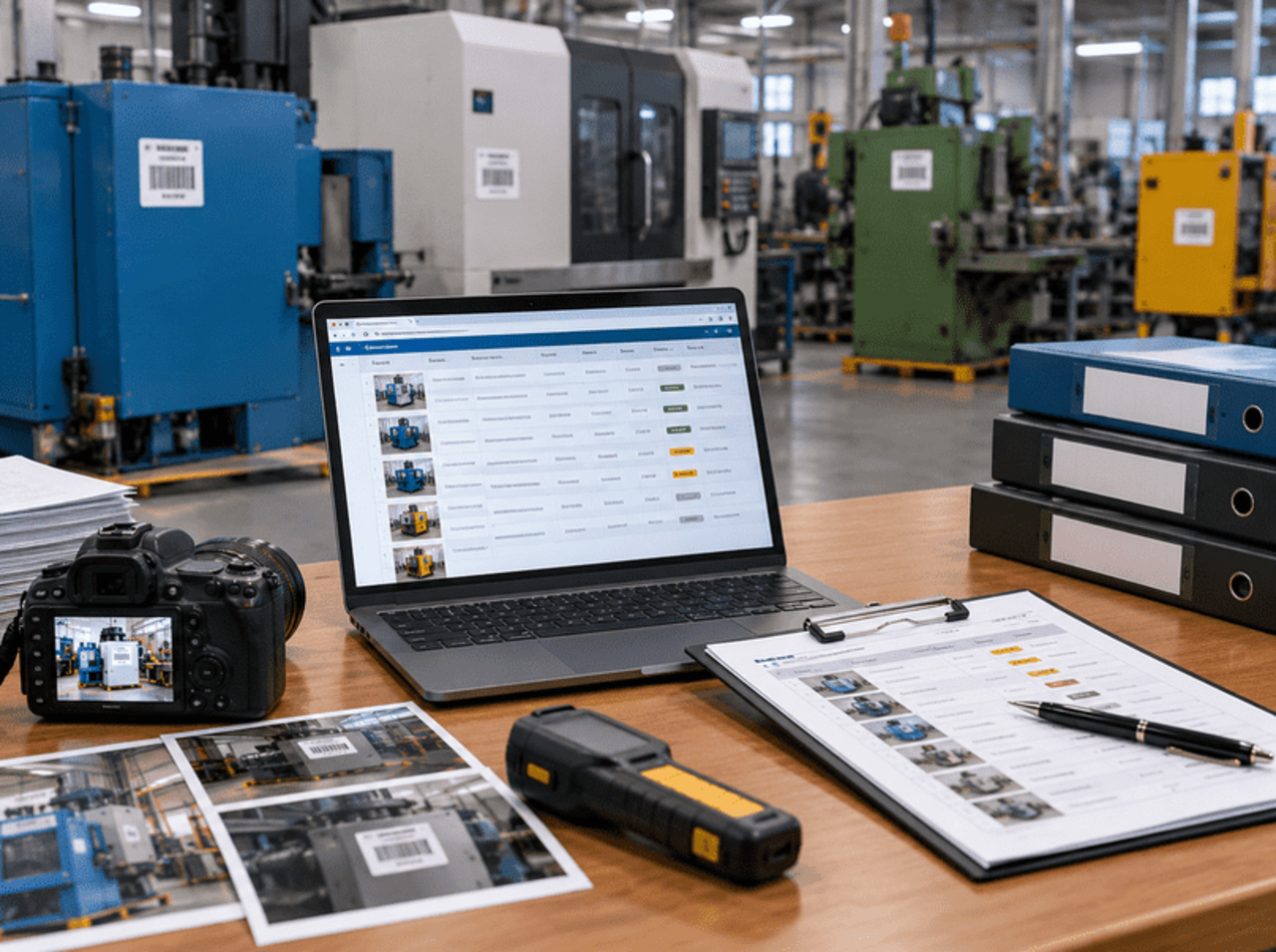
A complete equipment inventory gives the appraiser a clear starting point. It defines which assets are included in the appraisal and reduces the chance of overlooking, duplicating, or listing equipment with incomplete information.
For each asset, record the equipment name, manufacturer, model, serial number, year, quantity, facility location, and current operating status.
If the appraisal covers many machines or equipment across several facilities, use a master spreadsheet. This keeps asset information in one place and makes it easier to identify missing details before the appraisal begins.
You should also group equipment by its current status, such as active, idle, surplus, disconnected, or already marked for sale. Clearly separating active assets from idle stock gives the appraiser better context for evaluating each asset.
2. Verify Make, Model, Serial Number, and Manufacturing Year
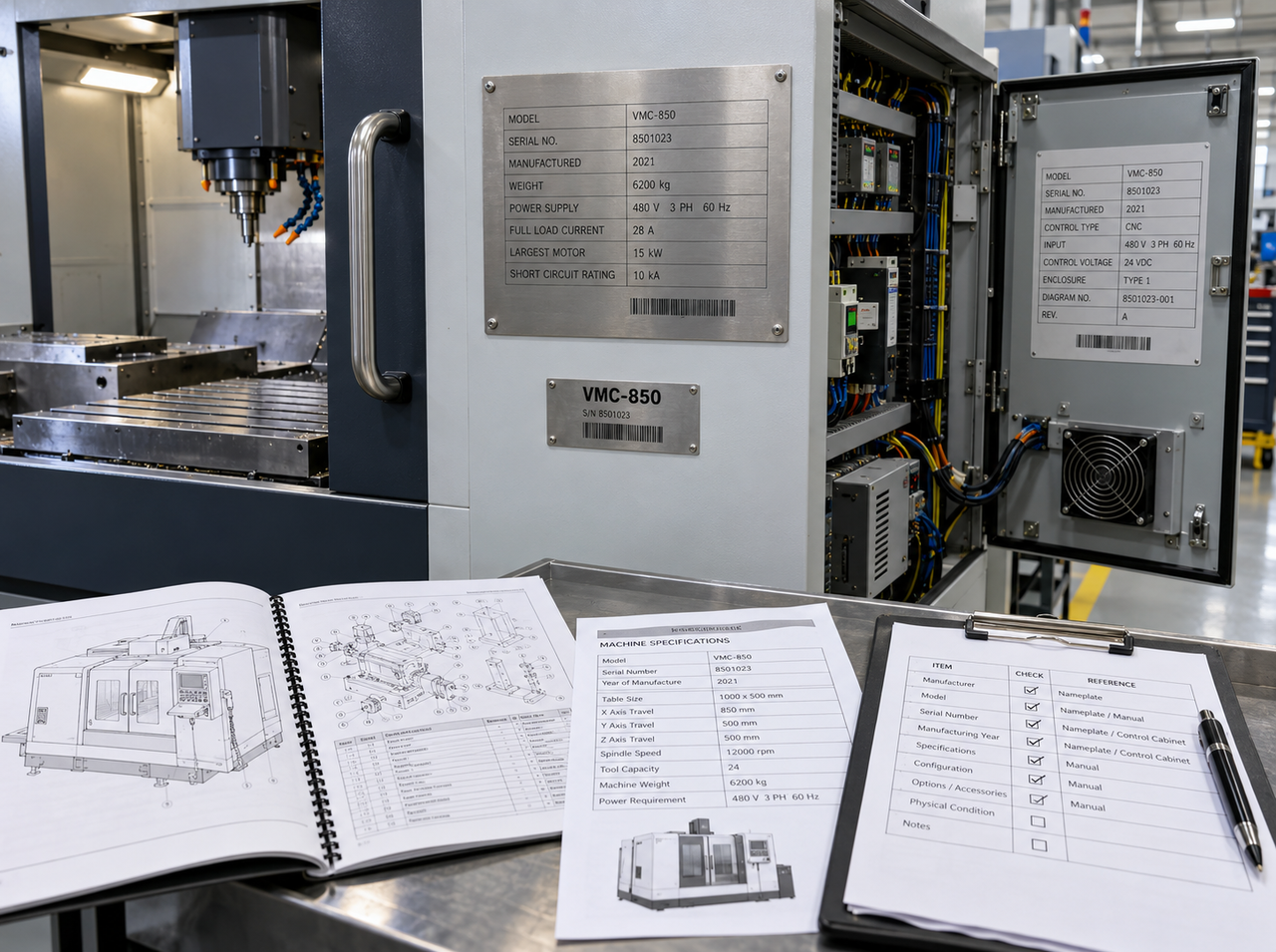
Accurate equipment identification is essential for an appraisal. The appraiser needs to know exactly which machine is being valued before reviewing comparable equipment in the market.
Check the manufacturer data plate, serial tag, model plate, control cabinet label, and equipment manual for the correct make, model, serial number, and manufacturing year. These details help confirm the exact equipment type and configuration.
Internal names such as “Press #4” or “Line B” may work for plant operations, but they do not provide enough information for an appraisal. The same equipment category can include several models, sizes, and configurations with different market values.
Verified identifiers help the appraiser match the asset with more relevant market comparables and reduce the risk of valuing the wrong equipment configuration.
3. Gather Purchase and Ownership Records
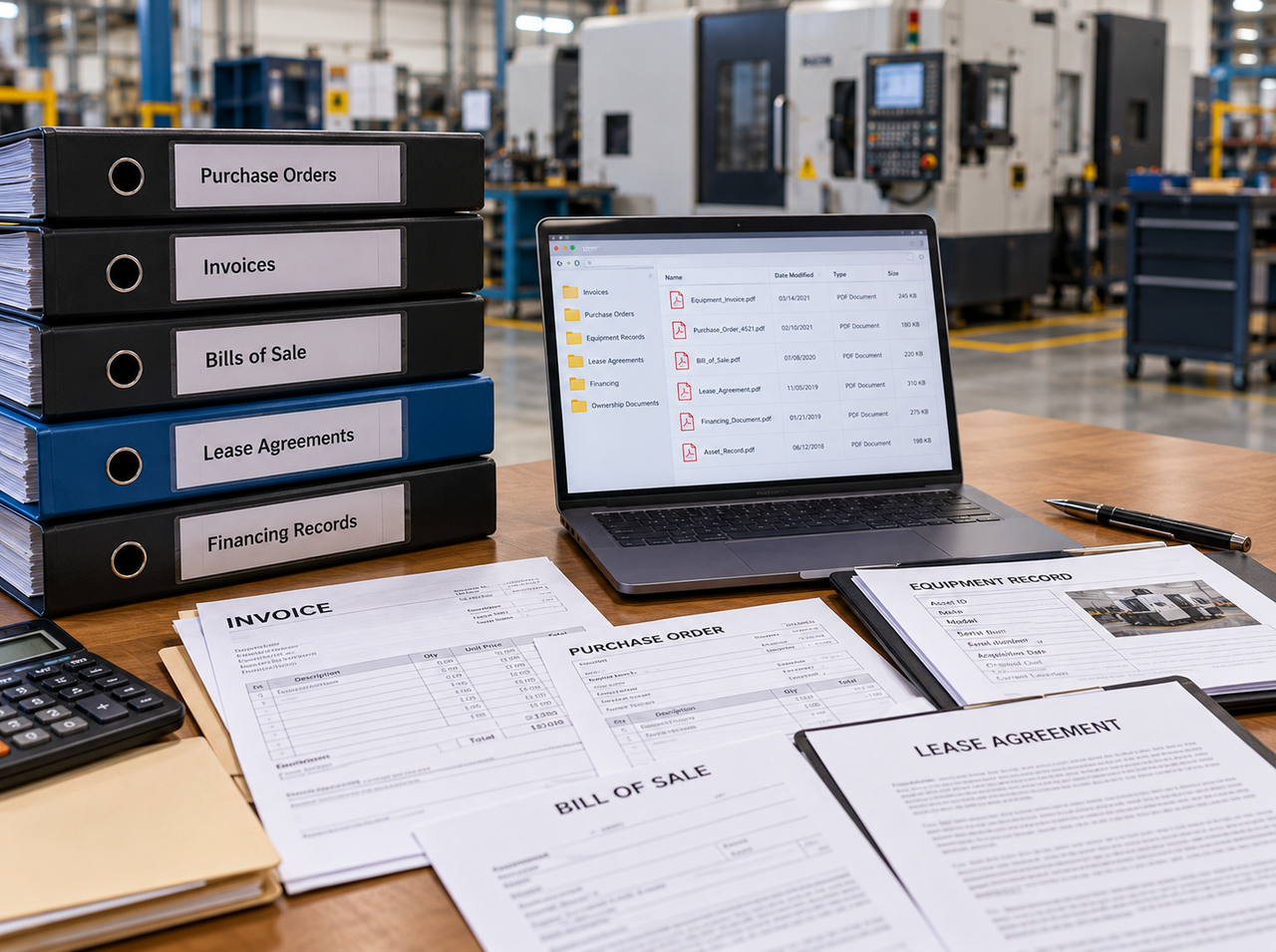
Purchase and ownership records help establish the history of the equipment and confirm when and how it was acquired. They can also provide useful historical cost information for the appraisal.
Gather any available original invoices, purchase orders, bills of sale, lease agreements, financing records, or other documents that show acquisition or ownership. Include the acquisition date and original purchase price when those details are available.
Older equipment may have incomplete records, especially if it was purchased used, transferred between facilities, or has remained in service for many years. That does not mean you should delay the appraisal while trying to locate every missing document.
Provide the records you can verify and clearly note any gaps. The appraiser can then determine which documents are relevant and what other information may be needed to support the valuation.
4. Document Operating Hours and Usage History
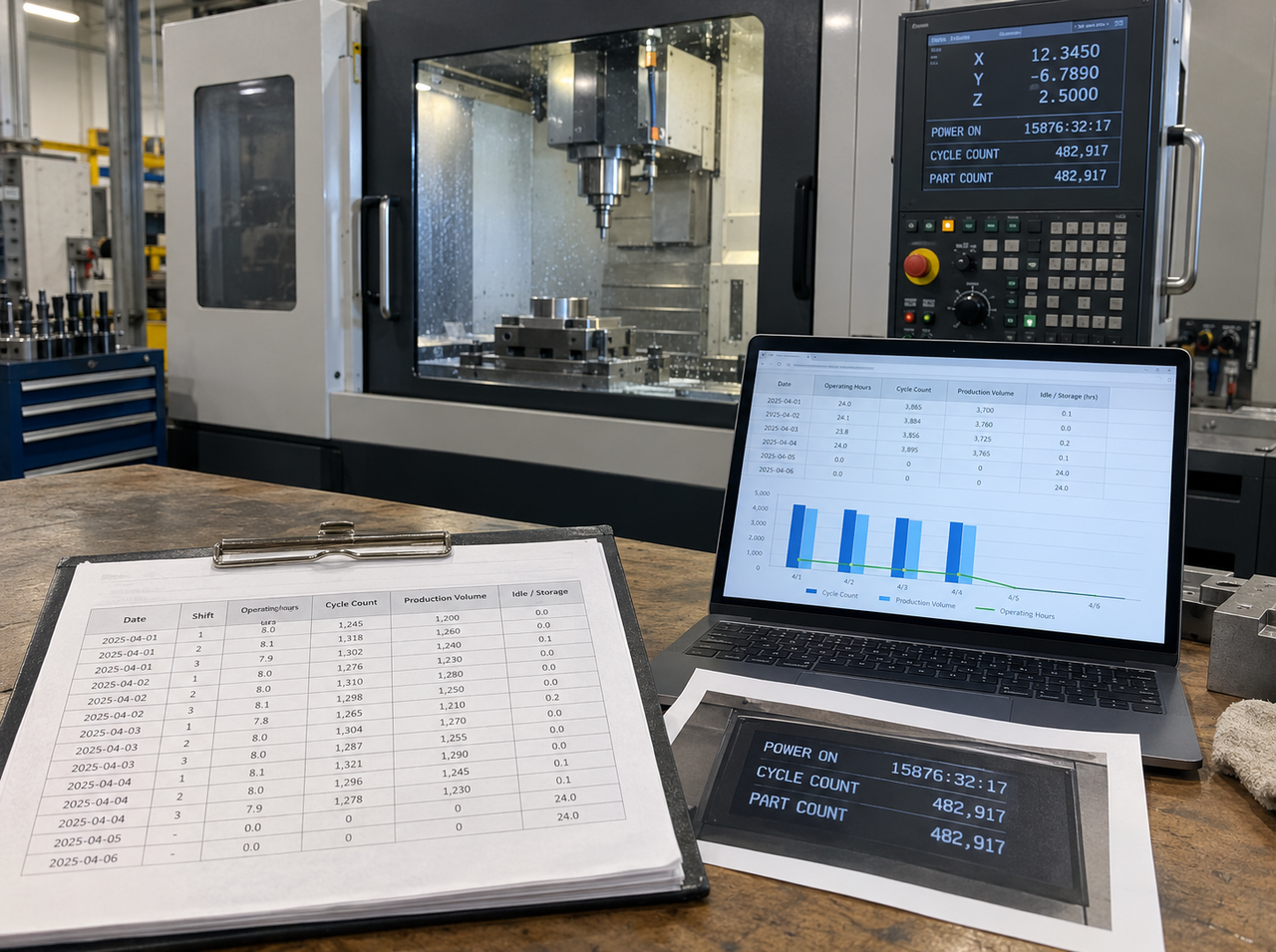
A machine’s age does not show how heavily it has been used. Operating history gives the appraiser a better understanding of the workload the equipment has handled over time.
Record operating hours, cycle counts, mileage for mobile equipment, number of shifts, and production volume when those figures are available. You should also note extended periods when the equipment sat idle or remained in storage.
For example, two machines manufactured in the same year may have very different usage histories. One may have operated across multiple shifts for years, while the other may have seen limited production. That difference can affect condition, marketability, and equipment value.
If exact usage records are unavailable, provide the most reliable information you have and identify it as an estimate rather than presenting it as a confirmed figure.
5. Organize Maintenance, Repair, and Inspection Records

Maintenance and repair records help the appraiser understand how the equipment has been cared for and what work has been completed over its service life. They can also provide useful evidence of its current condition.
Gather preventive maintenance logs, service records, repair invoices, rebuild history, inspection reports, calibration records, and documentation for major component replacements.
Pay particular attention to significant work such as motor replacement, spindle replacement, hydraulic rebuilds, or control system replacement. These records can help explain changes in condition, performance, or equipment configuration.
If maintenance records are incomplete, provide the documents you can verify and note any known gaps. A partial service history is still more useful than no maintenance information at all.
6. Document the Current Equipment Condition
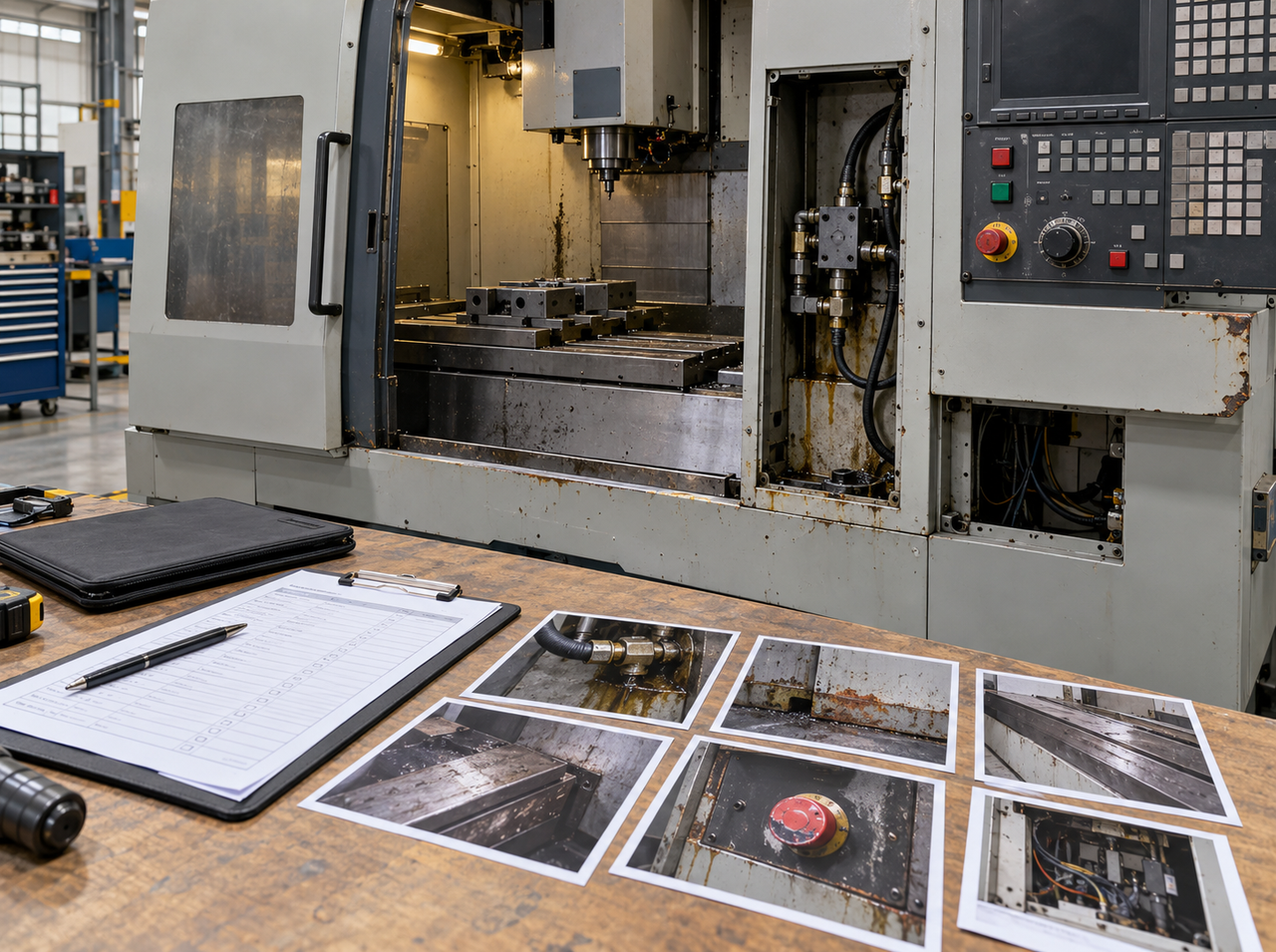
Current condition is a key part of an equipment appraisal because it helps the appraiser understand how the asset compares with similar machinery in the secondary market.
Record any visible or known issues, including mechanical wear, electrical problems, hydraulic leaks, corrosion, missing guards, damaged controls, broken components, or deferred maintenance. Be specific about what is affected and avoid broad descriptions such as “good condition” without supporting details.
You should also define the equipment’s current operating status. Classify each asset as fully operational, operational with known issues, requires repair, untested, disconnected, or non-operational.
Accurate condition reporting gives the appraiser a clearer basis for comparing the asset with relevant comparable equipment sales and listings. It also reduces the risk of using market evidence that does not match the equipment’s actual condition.
7. Identify Upgrades, Tooling, Attachments, and Modifications
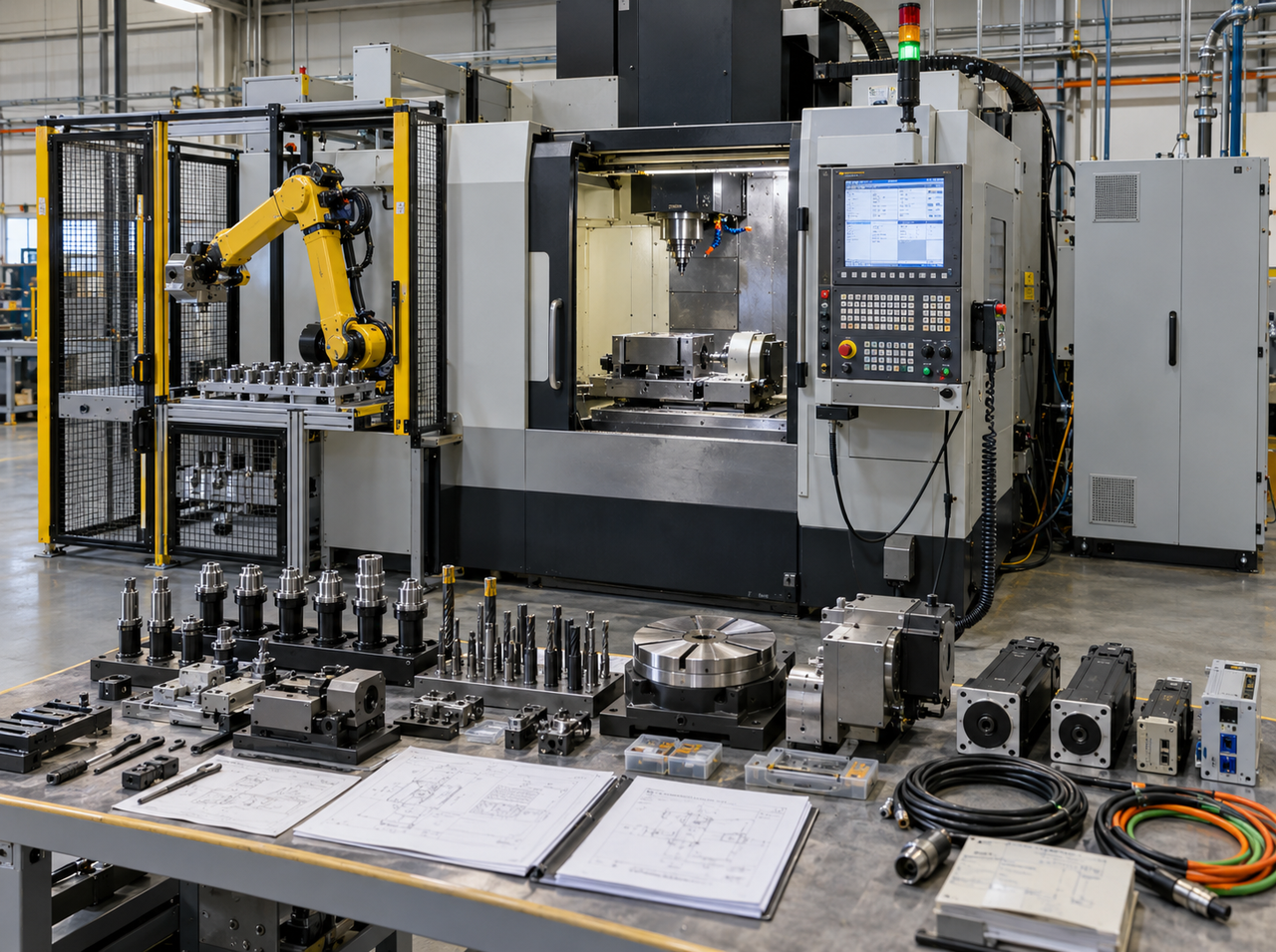
The base model does not always show the full configuration of a machine. Upgrades, tooling, attachments, and later modifications can change how the equipment performs and how buyers view it in the secondary market.
Document any CNC control upgrades, automation systems, new motors, software upgrades, retrofit packages, or safety systems added after the original purchase. You should also list tooling and accessories such as dies, molds, fixtures, feeders, conveyors, tool changers, spare parts, and other attachments included with the asset.
These details help the appraiser understand exactly what is being valued. Added tooling, updated controls, or other changes can affect how the machine compares with similar equipment on the market.
Some upgrades can improve functionality or make the equipment more attractive to buyers. Highly customized modifications can narrow the buyer pool if they are designed for a specific production process.
8. Prepare Clear Photos and Videos

Clear photos help the appraiser confirm equipment identity, condition, and configuration, especially when an on-site inspection is not part of the appraisal.
Take a full view of each machine, along with front, side, and rear images when possible. Include close-up photos of the manufacturer plate, serial number, control panel, tooling, attachments, interior components that can be accessed safely, and any visible wear or damage.
If the equipment is still operational, record a short video showing it running. This can help document startup, movement, controls, and basic operation without requiring the appraiser to rely only on still images.
Visual documentation is especially useful for remote or desktop equipment appraisals, where the appraiser may rely on photos, videos, and asset records to review the machine’s identity, configuration, and apparent condition.
9. Define the Purpose and Scope of the Appraisal

Before the appraisal begins, define why you need the valuation and which assets are included. The intended use can affect the valuation basis, appraisal scope, and supporting information required in an industrial equipment appraisal.
Manufacturers may request an appraisal for a surplus equipment sale, asset disposition, plant closure, facility consolidation, financing, insurance, financial reporting, bankruptcy, restructuring, or a merger or acquisition.
You should also clarify the valuation basis required for the assignment. Common types include:
- Fair market value, which reflects the estimated price an asset could sell for between a willing buyer and willing seller under normal market conditions
- Orderly liquidation value, which estimates the expected value when equipment is sold within a defined and reasonable period
- Forced liquidation value, which estimates the expected value when equipment must be sold within a short period and under more restricted sale conditions
The appraisal scope should also identify the exact assets being valued. If only part of a facility, production line, or equipment group is included, make that clear before the work begins.
Conclusion
Organized equipment records give the appraisal process a stronger starting point. Clear asset details, supporting documents, and accurate condition information can reduce delays and give the appraiser a more complete picture of the machinery being valued.
That preparation also makes the final valuation more useful when you are planning a surplus equipment sale, plant closure, facility consolidation, or broader asset disposition strategy.
If you need a clearer view of what your machinery may be worth, Amplio’s free equipment and machinery appraisal service can help you understand your equipment value and plan the next step.
Contact us to get started.