6 Best Practices for Ensuring Successful Manufacturing Plant Consolidation

Introduction
Manufacturing plant consolidation is a strategic move that involves merging multiple facilities into one, aiming to optimize resource use, reduce operational costs, and enhance production efficiency.
Rather than viewing consolidation as a loss, it should be recognized as an opportunity to streamline operations, drive greater efficiencies, and unlock the full potential of existing assets.
In this article, we will explore six essential best practices for successfully consolidating manufacturing plants, with a focus on boosting efficiency, ensuring effective asset management, and maximizing value recovery throughout the consolidation process.
6 Best Practices for Successful Plant Consolidation
1. Conduct a Comprehensive Review of Operational Assessment
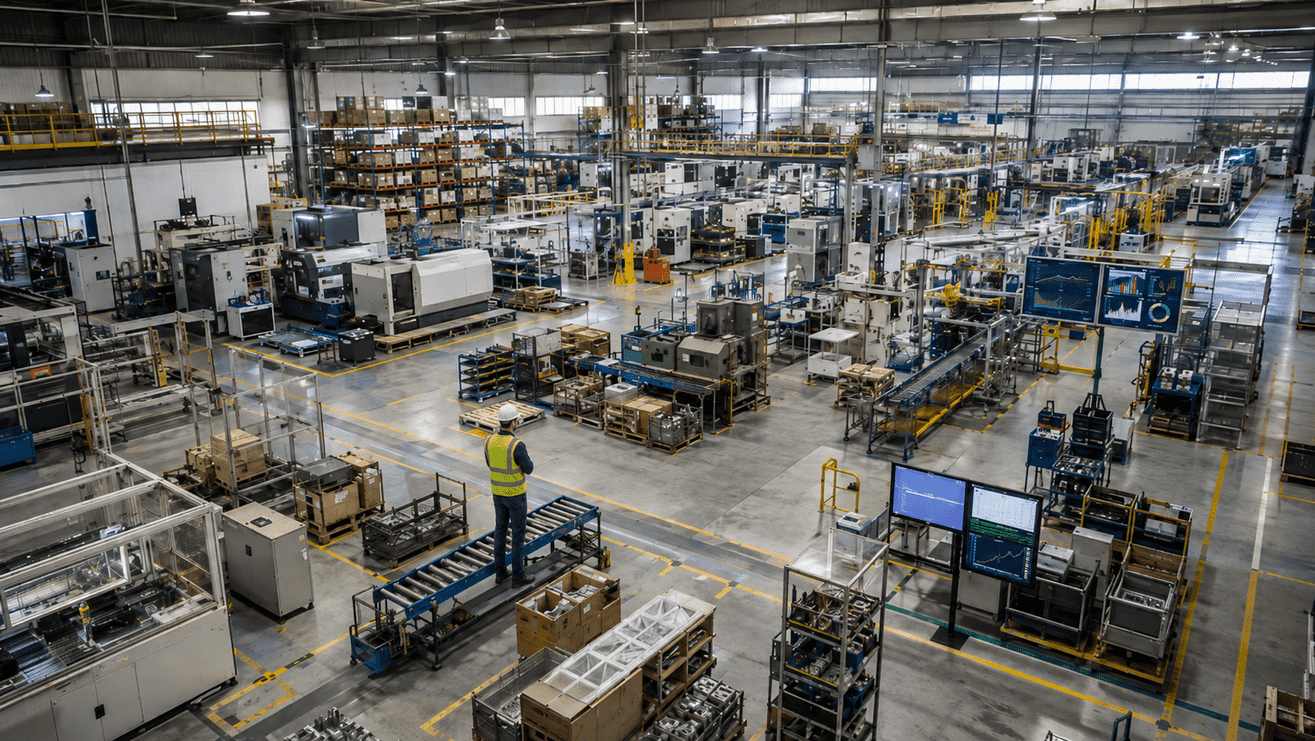
For a successful plant consolidation, start with reviewing your operations. Identify inefficiencies, redundancies, and areas in need of improvement. This gives you a clear picture of what’s working and what’s not, allowing you to design a more efficient system post-consolidation.
- Spot inefficiencies: Look at production logs, performance data, and employee feedback to find areas where time, resources, or labor are being wasted.
- Identify redundancies: Eliminate duplicated processes and roles across multiple plants that can be consolidated.
- Pinpoint improvement opportunities: Focus on upgrading outdated equipment, optimizing workflows, and improving resource management.
2. Implement a Phased Integration Approach

One highly effective practice for a successful plant consolidation is implementing a phased integration approach. Instead of trying to merge operations all at once, breaking the process into manageable phases helps reduce risk and ensures a smoother transition.
It can lead to multiple benefits:
- Minimize Disruptions: A phased approach allows you to gradually integrate systems, processes, and personnel, reducing the potential for major disruptions. This helps maintain production continuity while the consolidation is underway.
- Test and Adjust: With a phased strategy, you can test different aspects of the consolidation in stages, adjusting based on what works and what doesn’t. This allows for better decision-making and reduces the chances of costly mistakes.
- Employee Adaptation: Consolidation often involves changes to roles, workflows, and responsibilities. A phased approach gives employees time to adapt to new processes and systems, minimizing resistance and allowing them to adjust more smoothly to the changes.
3. Identify Surplus Assets Across Facilities

Identifying surplus assets is a key step in the plant consolidation process. Evaluate equipment, machinery, and resources across all facilities to pinpoint what’s underutilized, excess or redundant. This allows you to streamline operations and eliminate excess.
Two effective strategies for managing manufacturing surplus assets are:
- Redeployment: Transfer assets to other facilities or departments where they can be put to better use.
- Liquidation: Sell or auction surplus equipment to free up capital and reduce unnecessary overhead costs.
4. Optimize Equipment and Technology
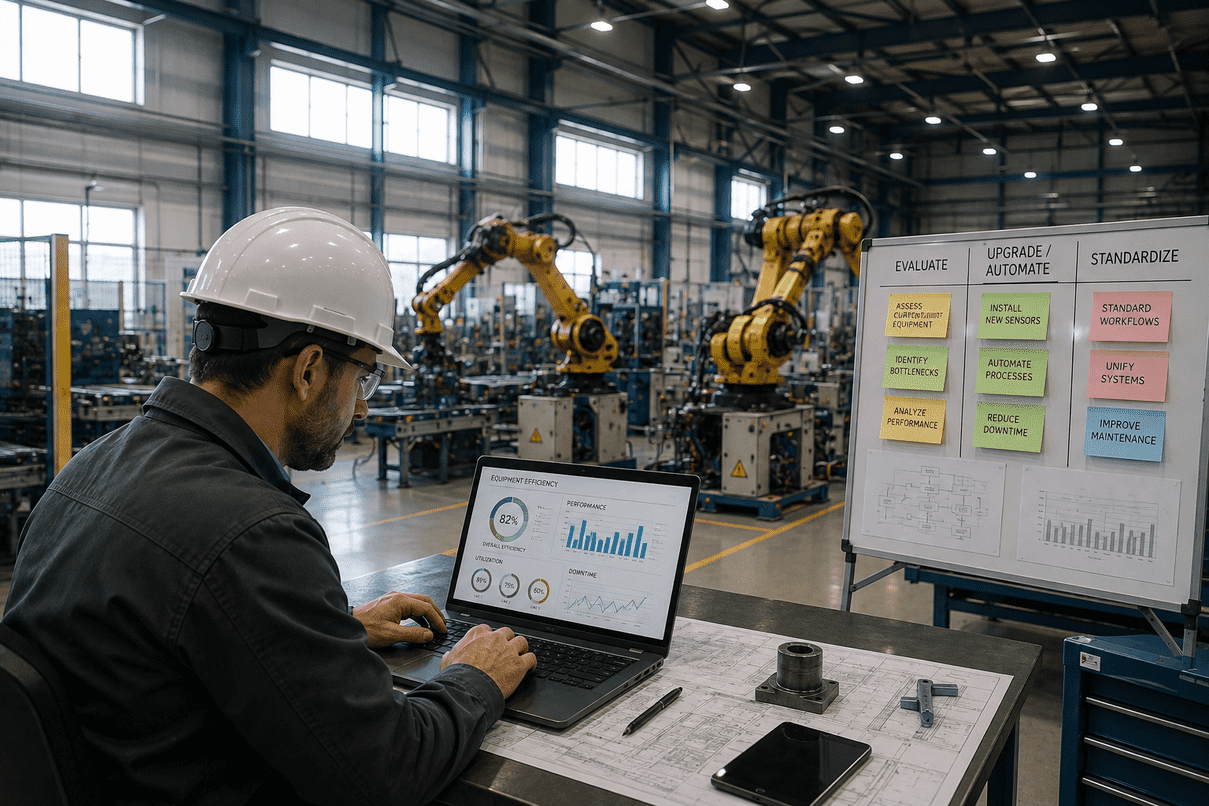
Optimizing equipment and technology is another crucial aspect of successful plant consolidation. After eliminating surplus assets, focus on maximizing the use of existing equipment and upgrading where necessary. This approach can increase efficiency, reduce costs, and enhance overall performance across the consolidated operation.
Key actions include:
- Evaluate existing assets to identify overutilized machinery.
- Upgrade or automate equipment to enhance production efficiency and reduce downtime.
- Standardize systems to ensure consistency and simplify maintenance.
5. Consolidating Inventory Management

It’s a good practice to consider consolidating inventory management post plant consolidation. By streamlining your inventory systems under a single point of control, you can achieve significant operational improvements.
- Centralized Control: Consolidating inventory into a single, unified system provides clearer visibility and more accurate tracking of materials. This reduces the complexity of managing multiple systems and ensures better decision-making.
- Improved Supply Chain Coordination: With centralized inventory, you can optimize procurement and order management. This reduces lead times and ensures a smoother flow of materials, improving your overall supply chain performance.
- Better Resource Allocation: Consolidating inventory allows you to allocate materials and resources more effectively, ensuring stock is available where it’s needed most and preventing inefficiencies from underutilized stock.
6. Change Management and Employee Integration
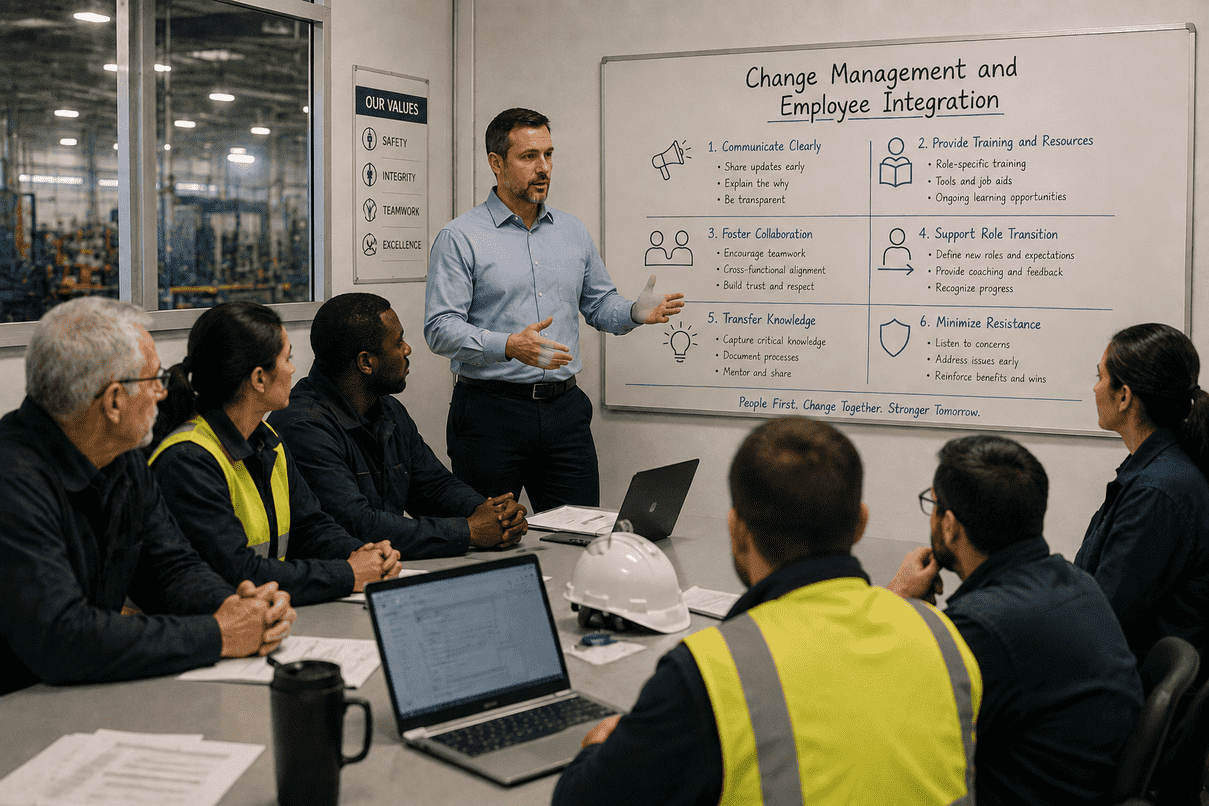
A highly underrated and crucial practice in plant consolidation is change management and employee integration. Many companies focus heavily on the physical and logistical aspects of consolidation—merging inventories, assets, and facilities—but often neglect the human element, which can significantly impact the success of the transition.
It should be focused due to its variety of benefits:
- Minimize Resistance: Consolidation brings change, and employees often resist change. Failing to address concerns or involve employees in the process can lead to low morale, decreased productivity, and even higher turnover rates. A solid change management strategy ensures smooth transitions and helps employees adapt to new roles and environments.
- Ensure Seamless Integration: As plants merge, you’ll likely be combining different company cultures, workforces, and management styles. Without a clear plan to integrate employees, this can lead to confusion, inefficiencies, and a lack of alignment. Proactively addressing these issues through training, communication, and collaboration is key to maintaining a unified workforce.
- Preserve Knowledge and Skills: Employee retention is critical during consolidation. Workers from the merging plants often have valuable expertise and institutional knowledge. Proper integration ensures you retain this talent and avoid knowledge loss, which can affect productivity and quality.
Conclusion
Successfully consolidating manufacturing plants requires careful planning and strategic execution.
By following the best practices outlined companies can drive efficiencies, reduce costs, and ensure a smooth transition.
Partner With Amplio for Smoother Manufacturing Plant Consolidation
Consolidating a manufacturing plant involves complex decisions, from asset management to equipment redeployment and surplus liquidation. Amplio simplifies this process by offering an AI-driven platform that maximizes asset recovery and helps streamline the entire consolidation process.
- AI-Powered Appraisals: Amplio’s AI agents quickly analyze your inventory to identify surplus, obsolete, or underutilized assets. It offers a data-driven strategy for redeployment or liquidation, ensuring that assets are either reassigned internally or sold for maximum value.
- Redeployment Support: For assets that can be reused internally, Amplio’s platform identifies opportunities for redeployment across facilities, reducing waste and optimizing existing resources. This allows you to move critical assets where they are needed most, supporting ongoing operations even as you consolidate.
- Private Marketplace for Verified Buyers: Amplio connects your surplus inventory to a network of vetted industrial buyers and liquidators, ensuring assets are sold through trusted channels. With clear documentation and transparent pricing, you can rest assured that each asset is sold efficiently.
- End-to-End Support: Amplio manages every aspect of the process, from listing and logistics to compliance and final transaction, ensuring a smooth transition during your consolidation project.
Contact Us for AI-powered liquidation and redeployment services to maximize asset value and drive efficiency during plant consolidation.