9 Profitable Equipment Disposition Tips (Most Companies Miss)

In manufacturing and process environments, equipment disposition is a balance-sheet decision as much as an operations task. Every idle machine, spare assembly, and pallet of MRO ties up capital, consumes space, and carries real cost if it sits too long. The goal is not simply to remove assets from the floor, but to convert surplus into working capital without creating disruption.
Recovery is won on execution details that industrial teams recognize immediately. Buyers pay for certainty around identification, condition, completeness, and removal requirements. When those basics are unclear, pricing drops, timelines stretch, and assets turn into write-downs instead of proceeds.
The nine equipment disposition tips I have shared below focus on direct industrial outcomes: higher net recovery, faster conversion to cash, and avoided cost without disrupting operations.
1) Perform a Fixed Asset Audit

A fixed asset audit is a verified inventory of what you actually own on-site, matched against the asset register. It confirms equipment identity, location, status, and completeness, so you know what’s idle, underutilized, and truly surplus.
Most recovery problems start with poor visibility. When records don’t match the floor, high-value equipment gets overlooked or misclassified, and assets go to market with missing details that force buyers to discount for risk. It also creates operational exposure when something critical is mistakenly marked for removal.
The financial upside is direct. You surface sellable assets early, keep premium equipment out of low-value lots, and remove uncertainty that drives price cuts.
You also avoid costly repurchases and disruption by ensuring production-critical assets aren’t disposed of by mistake.
2) Prioritize Internal Redeployment
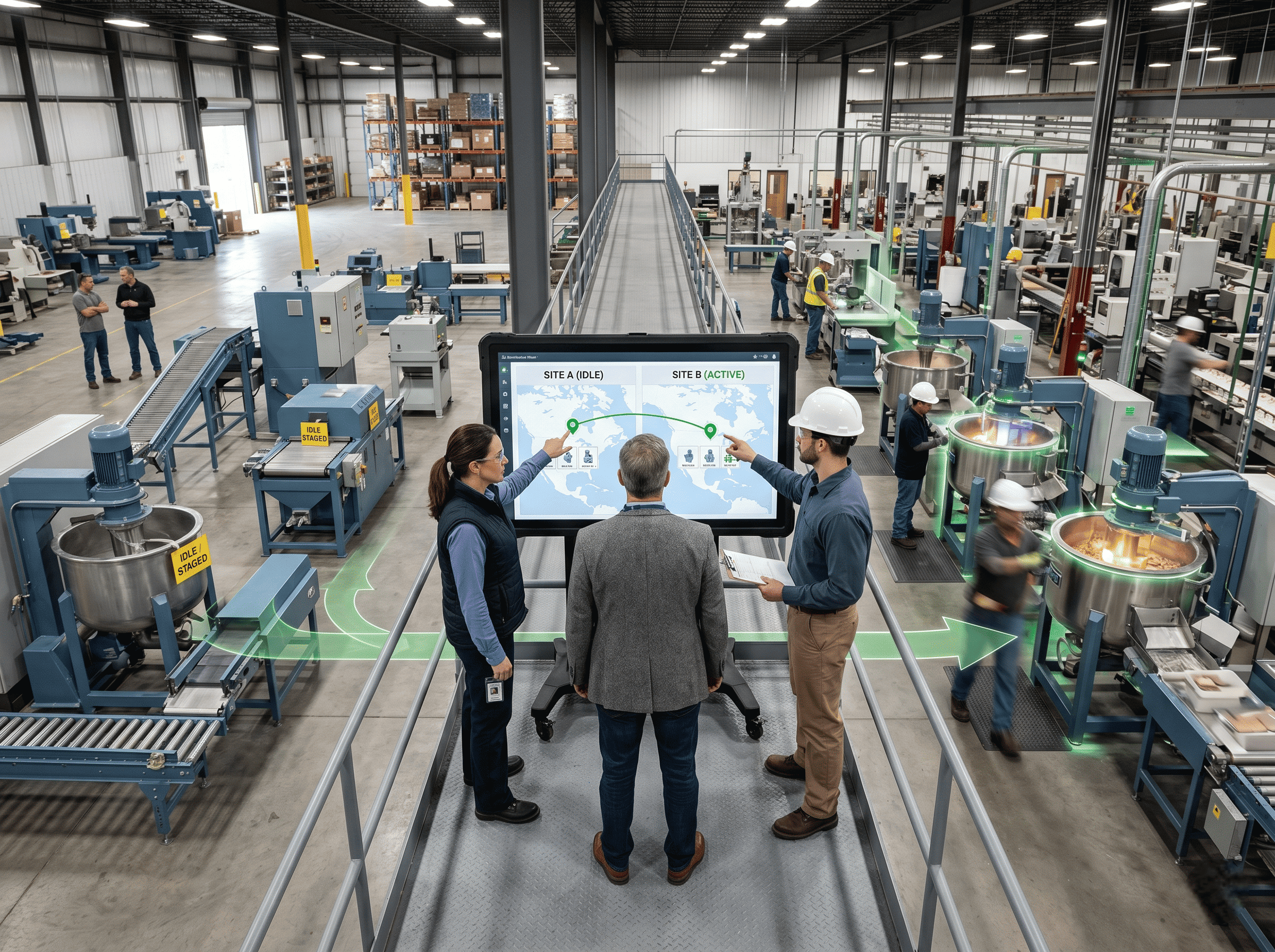
Internal redeployment is often the highest return move you can make with surplus equipment. Instead of converting a manufacturing asset into cash at a discount, you convert it into avoided capex by putting it back into service where it’s needed. That becomes especially valuable when lead times are long, and projects can’t afford delays.
Most companies miss this because assets are managed locally. One site is disposing of equipment while another is approving a new purchase for the same category, simply because there’s no shared visibility and no early coordination.
Redeployment only works when maintenance and procurement are involved upfront, before equipment is committed to sale or stripped for parts.
The profit impact is straightforward. You avoid the full cost of a new purchase, reduce expedited shipping and installation rush charges, and shorten downtime by using what you already own.
3) Conduct Equipment Valuation
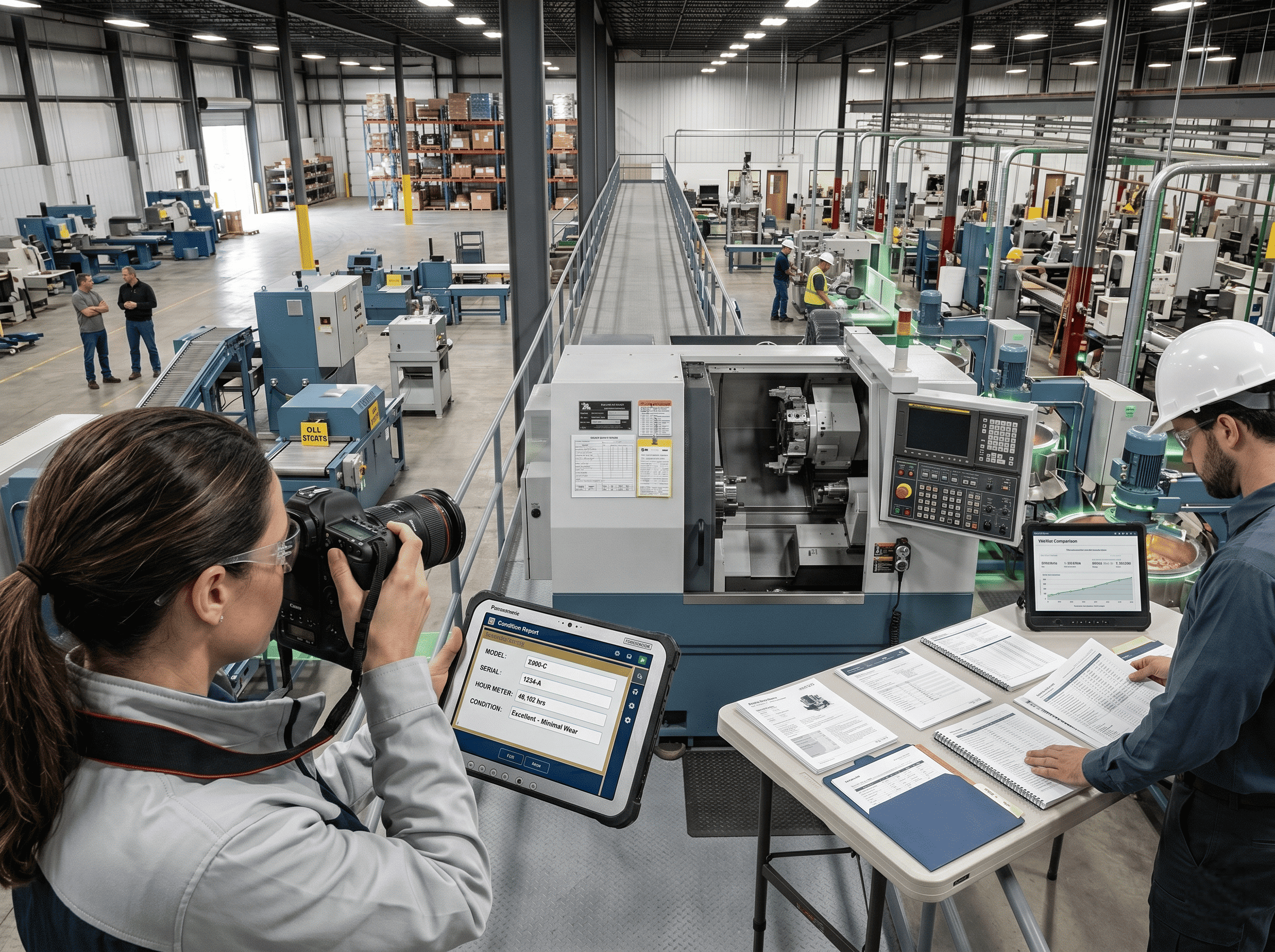
Valuation isn’t a spreadsheet exercise. It’s a market call, and it’s only as good as the evidence behind it. If you price from book value or assumptions, you either underprice and give away recovery, or overprice and let the asset sit until urgency forces a haircut.
This is where cleaning and documentation matter because they directly tighten the valuation range. Clear photos, accurate specs, run hours where available, maintenance and service records, and a straight list of what’s included turn an “unknown” into something you can sell for a value and a buyer can price with confidence. Even defect disclosure helps, as long as it’s specific and consistent.
Accurate equipment valuation, supported by clear condition documentation, reduces buyer discounting and increases qualified buyer participation. It also limits last-minute renegotiations by setting realistic expectations upfront. Even an internal equipment appraisal gives you a stronger basis for deciding the right disposition path for each asset, whether that is redeployment, direct sale, or auction, based on the recovery you can realistically achieve.
4) Group Large Quantities of Low-Value Inventory into “Job Lots”
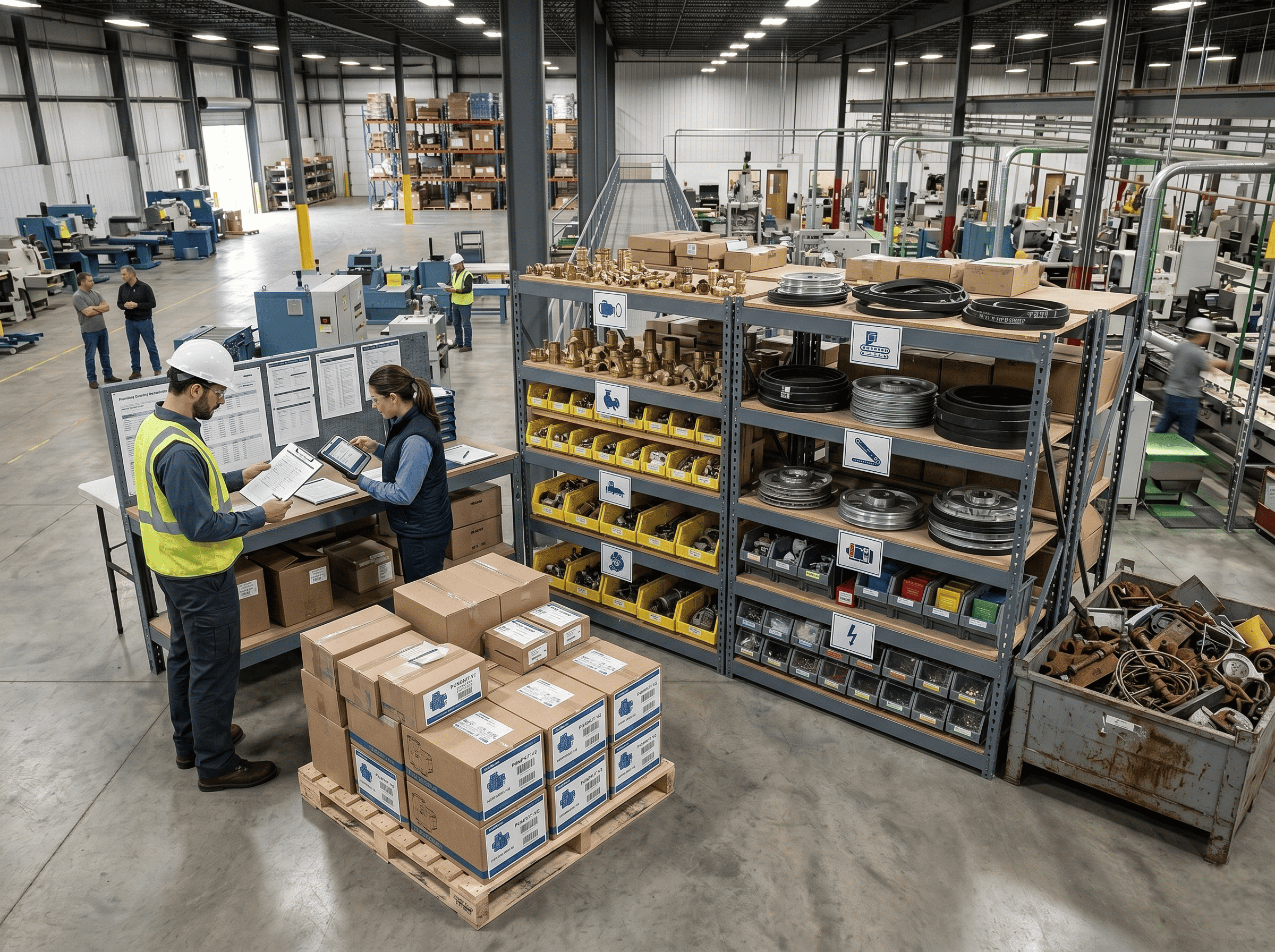
When you have large quantities of low-value items, the worst move is selling them as random bins or unstructured pallets. Buyers assume the lot is a mix of unusable items, duplicates, and missing pieces, so they price it like a sorting problem. That’s why loose industrial items sell slowly and usually at deep discounts.
Grouping items, especially your industrial MRO items, into practical job lots makes the value obvious. Instead of “miscellaneous spares,” you build lots around how maintenance teams actually consume parts. Package by equipment family, line area, or a specific maintenance job, such as pump overhaul components, conveyor line spares, motor control and automation spares, or common shutdown consumables. The buyer isn’t paying for mystery inventory; they’re paying for a ready-to-use solution.
5) Explore and Select the Optimal Sales Channel

Choosing the right sales channel is one of the fastest ways to improve recovery because it determines buyer quality, price competition, time-to-sale, and how much you lose to fees and friction. The mistake is pushing every asset through the same route. Commodity equipment benefits from broad exposure and competitive bidding, while specialized assets usually pay better when they’re marketed directly to the right buyer group.
Top sales channels that typically deliver the strongest recovery:
- Industrial auctions for equipment with broad demand, where competitive bidding can drive price and speed, especially under tight timelines.
- Brokered or consignment sales, when you want professional marketing and buyer screening without forcing a time-driven auction outcome.
- Online marketplaces to reach a broad pool of end-users and dealers searching specific models, best for standard equipment and MRO, where strong photos, specs, and documentation drive faster sales and better pricing.
6) Sell During Peak Market Cycles

Timing can change recovery without touching the asset. Used-equipment demand shifts with production activity, commodity cycles, and new-equipment lead times. When buyers can’t get new machines quickly, they pay more for equipment that can ship now.
The mistake is selling everything at once just because the deadline is close. Some assets are cycle-sensitive and swing hard with demand, while others stay steady because they’re always needed for maintenance and spares. Treating both the same leaves money on the table.
Profit improves when you segment inventory and time the release. Move steady-demand items fast to cut carrying costs, and market cycle-sensitive equipment when buyer activity is strongest to lift pricing.
7) Partner With An Asset Recovery Firm (If Needed)

Working with an asset recovery firm becomes a profit lever when disposition is too large, too fast, or too specialized for an internal team to execute cleanly.
Most value loss isn’t due to lack of buyers, it’s caused by weak listings, poor buyer reach, timeline slippage, and removal or documentation issues that turn “sold” into “stuck.” A capable partner closes those gaps and protects net recovery.
This matters most during shutdowns, space pressure, or multi-site cleanups when internal teams are focused on operations. A good firm brings structured cataloging, channel strategy, buyer screening, and logistics coordination that reduces discounting and accelerates time-to-cash. The win is fewer failed deals, fewer price retrades, and less margin loss to rigging surprises and carrying costs.
The key is selecting a firm aligned to net recovery, not volume. You want transparent fees, audit-ready reporting, and proven execution across marketing, qualification, and decommssioning management.
8) Make Rigging and Removal a Buyer Responsibility
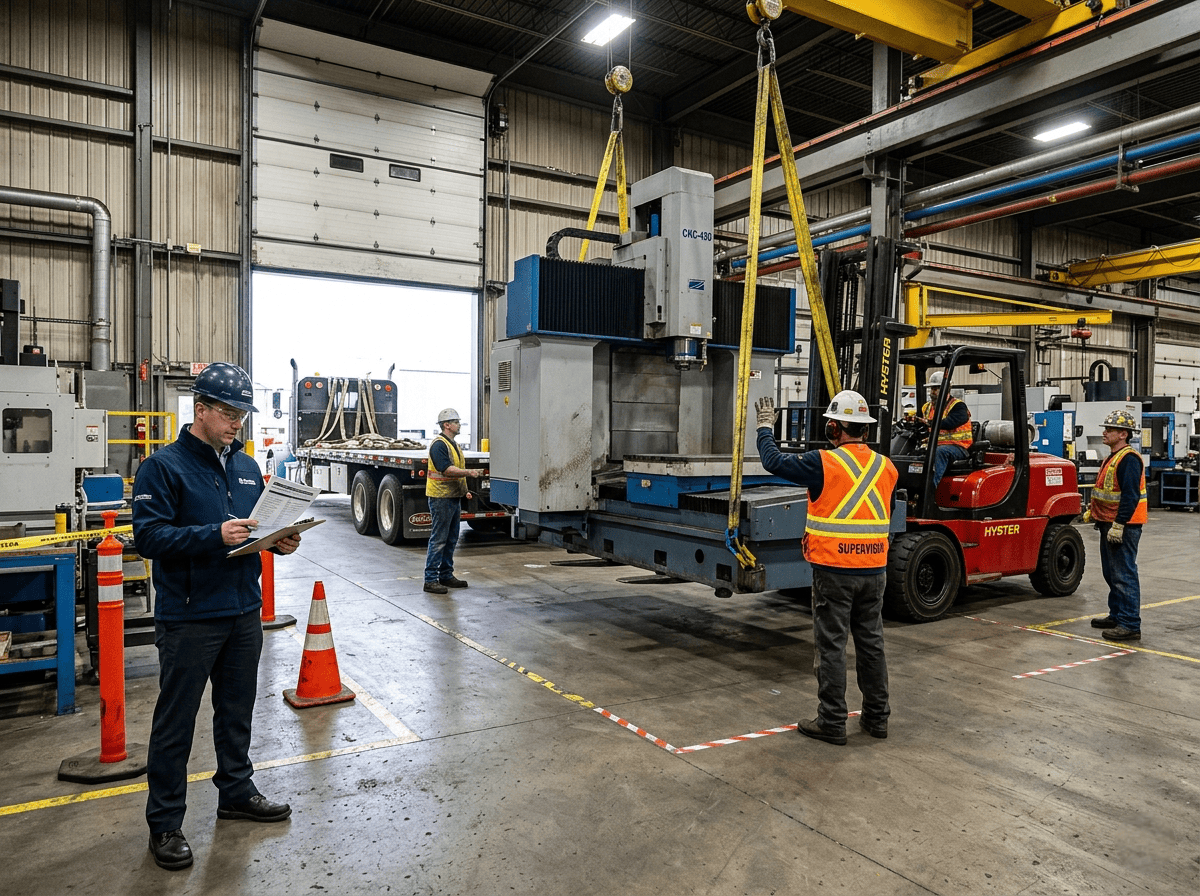
Rigging, loading, and removal costs are where “good deals” lose money. If the scope is unclear, buyers price in risk upfront or renegotiate later once they see the site conditions. Either way, your net recovery drops after you thought the sale was done.
Buyer-paid removal protects margins, but only when expectations are defined. Specify what the buyer is responsible for, the pickup windows, site access limits, safety requirements, insurance needs, and any constraints around forklifts, cranes, or riggers. When those rules are vague, removal turns into delays, disputes, and surprise costs.
This is profitable because it keeps logistics from eating the proceeds. Clear terms reduce post-sale retrades, speed up pickups, and prevent you from absorbing rigging bills just to get assets off the floor.
9) OEM Exchange and Buyback Credits
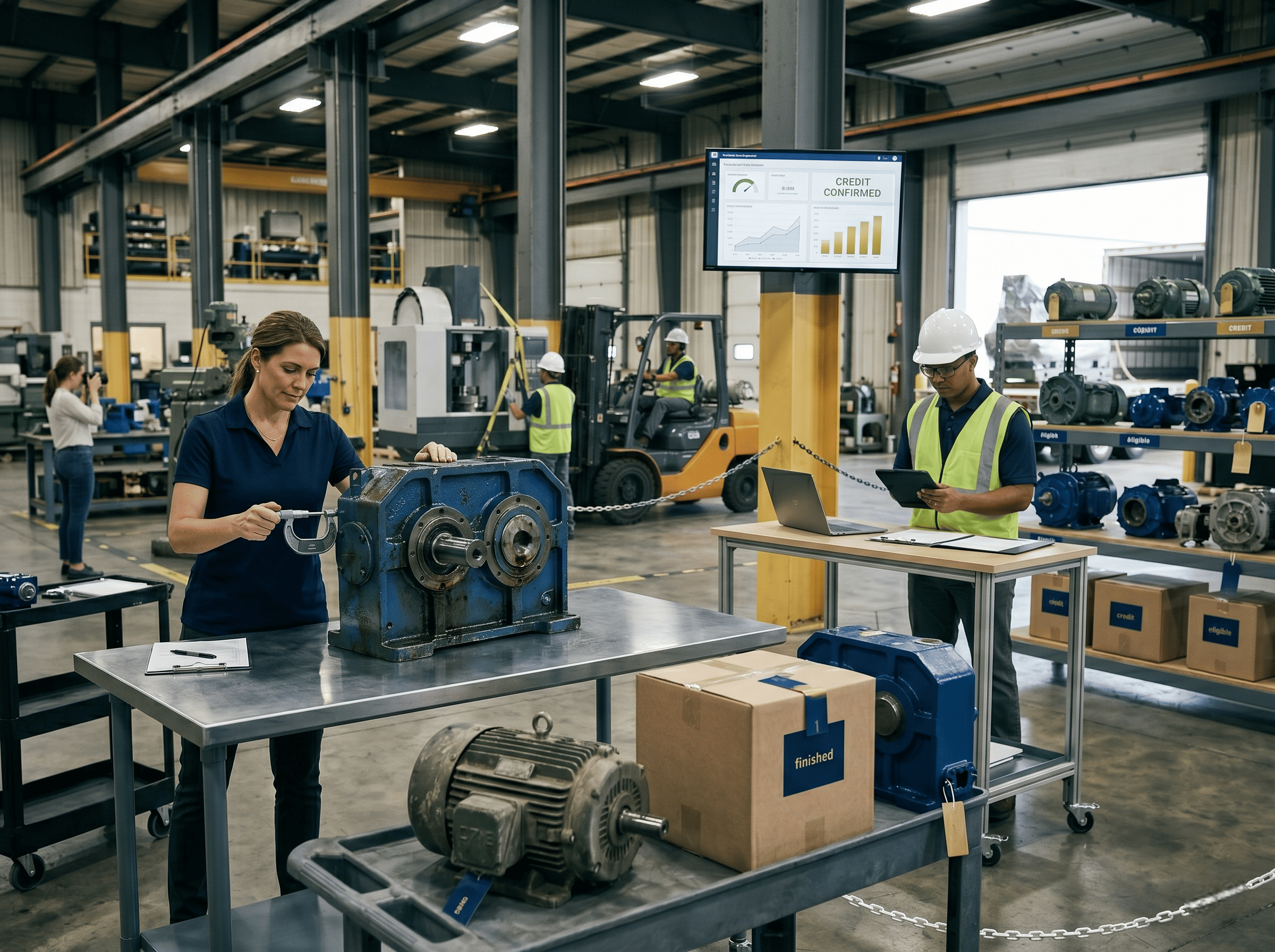
Original Equipment Manufacturer(OEM) core programs are a hidden profit source that many teams miss. Rebuildable components often qualify for exchange, reman, or buyback credits that can outperform scrap or casual bulk resale. The value gets lost when cores are bundled into low-value lots before anyone checks eligibility.
This comes up frequently with motors, pumps, drives, gearboxes, and other rebuildable assemblies. If the component meets program requirements, the credit can offset future spend or reduce maintenance costs even when the unit isn’t worth reselling as equipment.
The profit impact is simple. You turn scrap-level recovery into predictable OEM credits and prevent core-eligible assets from leaving the business at the lowest possible value.
Partner With Amplio for Profitable Equipment Disposition
AI-Driven Appraisal and Asset Classification
We start every disposition project with AI-driven appraisal that evaluates equipment and inventory at the SKU and asset level. Our system establishes a realistic recovery range based on market demand, asset condition, and comparable transactions. Each item is classified for responsible disposition, so high-value assets receive the right attention from the start. Our experts review every output to ensure accuracy and clarity.
Data-Led Asset Redeployment Where It Makes Sense
When internal reuse is viable, we help identify redeployment opportunities by analyzing surplus inventory against demand across your facilities. This prevents usable equipment from entering liquidation prematurely and helps you avoid unnecessary capital spend. We recommend redeployment only when it delivers a clear operational or financial advantage.
Managed Industrial Disposition Through Verified Buyers
For assets moving to market, we act as your single disposition partner. We route equipment through the most effective channel, including private marketplace sales, negotiated transactions, or auctions when appropriate. Our vetted buyer network, complete documentation, and transparent pricing remove the burden of managing multiple vendors while improving recovery outcomes.
For manufacturers managing surplus equipment at scale, our surplus equipment management solutions provide a coordinated way to manage assets that are no longer needed and improve recovery outcomes.
Contact us to appraise faster, redeploy with confidence, and maximize net recovery through a structured, data-driven disposition approach.