How to Build a Resilient Supply Chain

Supply chain disruption has become a persistent challenge for manufacturers. Shifts in demand, supplier constraints, transportation delays, and changing market conditions can quickly affect production and customer commitments.
This makes supply chain resilience an important part of maintaining operational continuity. A resilient supply chain gives your business a greater ability to absorb disruption, adapt to changing conditions, and recover without prolonged impact on operations.
In this guide, we explain how manufacturers can strengthen supply chain resilience and reduce the impact of future disruptions.
What Makes a Supply Chain Resilient?

A resilient supply chain can continue supporting operations when disruptions occur and recover without prolonged impact. Five characteristics are central to supply chain resilience:
- Visibility: You need clear insight into suppliers, inventory, orders, and potential disruptions so your team can identify issues early.
- Flexibility: Your supply chain should be able to adjust sourcing, production, transportation, or distribution when conditions change.
- Preparedness: Clear response plans help your team act faster when shortages, delays, or supplier issues arise.
- Redundancy: Backup suppliers, alternative routes, or additional capacity reduce dependence on a single source or process.
- Recovery Capability: Your organization should be able to restore normal operations quickly after a disruption and limit its effect on production and customers.
How to Build a Resilient Supply Chain
Building a resilient supply chain requires a structured approach that helps your organization prepare for disruption and respond more effectively when it occurs. Below are the key steps manufacturers can take to strengthen supply chain resilience.
1. Map Your Supply Chain

Start by creating a clear view of how materials, components, and finished goods move through your supply chain. Include key suppliers, critical materials and components, manufacturing locations, warehouses, and transportation routes.
Your map should also capture relevant operating details such as supplier locations, lead times, capacity, and inventory levels. Also document dependencies between facilities and suppliers. If several plants rely on the same supplier, component, or transportation route, one disruption could affect multiple facilities or production lines.
A detailed supply chain map helps you understand where your operations are most exposed and how a disruption could interrupt production. Keep the map updated as suppliers, facilities, routes, and sourcing arrangements change.
2. Identify Supply Chain Risks

Once you have mapped your supply chain, assess where disruptions could most affect operations. Look for vulnerabilities such as single-source suppliers, long lead times, geographic concentration, critical material shortages, transportation bottlenecks, supplier financial instability, and dependence on specialized equipment.
Pay close attention to dependencies that could create a wider operational impact. For example, a supplier that provides a critical component to several plants may represent a greater risk than one that supports a single, non-critical product line. This exposure can also carry a high financial cost. McKinsey Global Institute estimates that expected losses from supply chain disruptions equal 42% of one year’s EBITDA over a decade.
Prioritize each risk based on its likelihood and potential effect on production, material availability, customer commitments, and recovery time. Once you know where your greatest exposure lies, you can apply the right strategies for managing supply chain risk to address the most critical vulnerabilities.
3. Improve Supply Chain Visibility
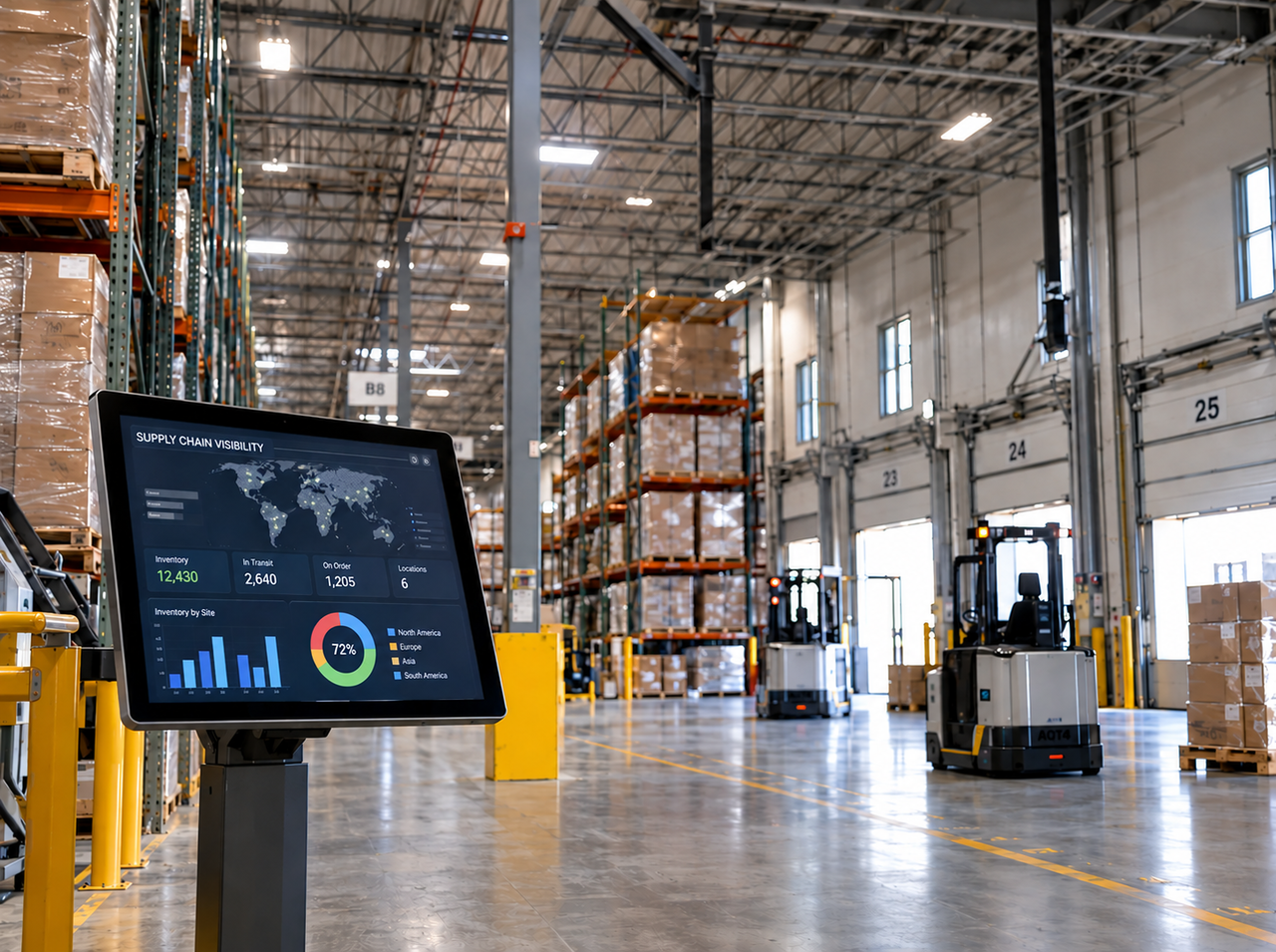
Supply chain visibility helps you understand what is happening across your network as conditions change. Track supplier status, order progress, lead times, material availability, and inventory levels so your team has access to current information when making decisions.
For manufacturers with multiple plants or warehouses, visibility across locations is especially important. It helps you see where inventory is available, where shortages are developing, and which facilities may face supply constraints.
Use supply chain management systems, ERP data, and analytics tools to bring this information together and monitor changes over time. Better visibility can help procurement and operations teams identify shortages, delays, and other disruptions earlier, giving them more time to respond before production is affected.
4. Diversify Your Supplier Base
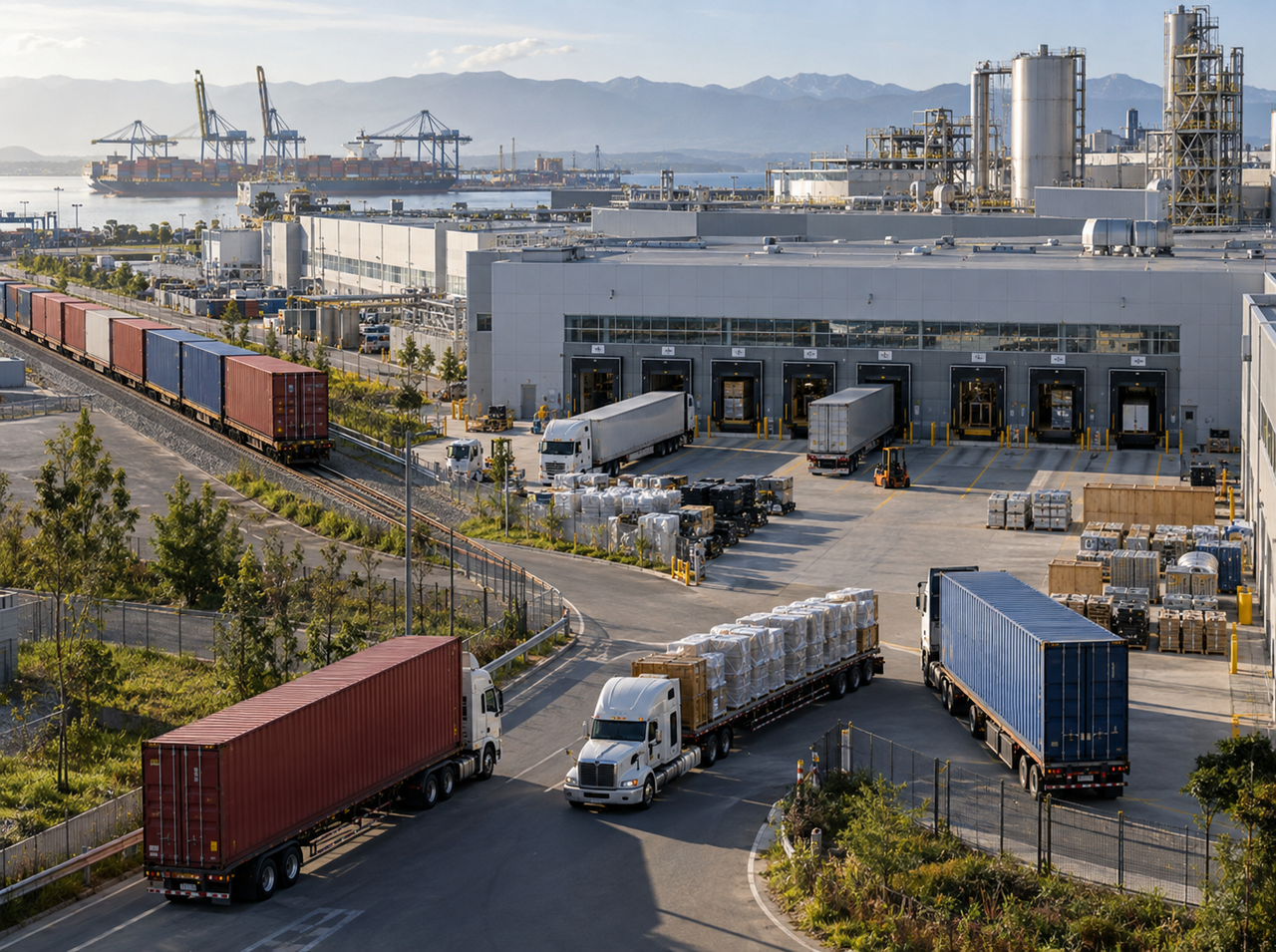
Relying on a single supplier for a critical material or component can increase your exposure to delays, shortages, capacity constraints, or regional disruptions. A diversified supplier base gives your procurement team more sourcing options when one source cannot meet demand.
Start by identifying materials and components that depend on one supplier. Then focus diversification efforts on areas where a supply interruption would have the greatest operational impact. Using alternative sourcing strategies can help you build qualified supplier alternatives before a disruption occurs.
You can strengthen your supplier network through:
- Secondary suppliers: Qualify backup suppliers in advance so you have another source available when a primary supplier cannot deliver.
- Geographic diversification: Source from suppliers in different countries or regions to reduce exposure to disruptions concentrated in one location.
- Nearshoring: Add suppliers closer to your manufacturing operations when shorter lead times and regional access support your sourcing needs.
- Dual or multi-sourcing: Split purchasing across two or more qualified suppliers instead of depending on one source for all demand.
Evaluate suppliers based on capacity, lead times, quality performance, financial stability, and delivery reliability. The goal is to create viable sourcing alternatives without adding unnecessary complexity to your procurement process.
Case Study
NCR needed 500 Allegro MOSFETs, but the components were unavailable through the manufacturer and major distributors. Brokers that did have inventory were quoting prices at around 10 times the usual cost. Amplio sourced the required components through a secondary supply network and helped NCR secure the parts without relying on its primary sourcing channels. The result was a $75,000 saving on the order while helping NCR address a critical component shortage.
5. Maintain Strategic Inventory Buffers
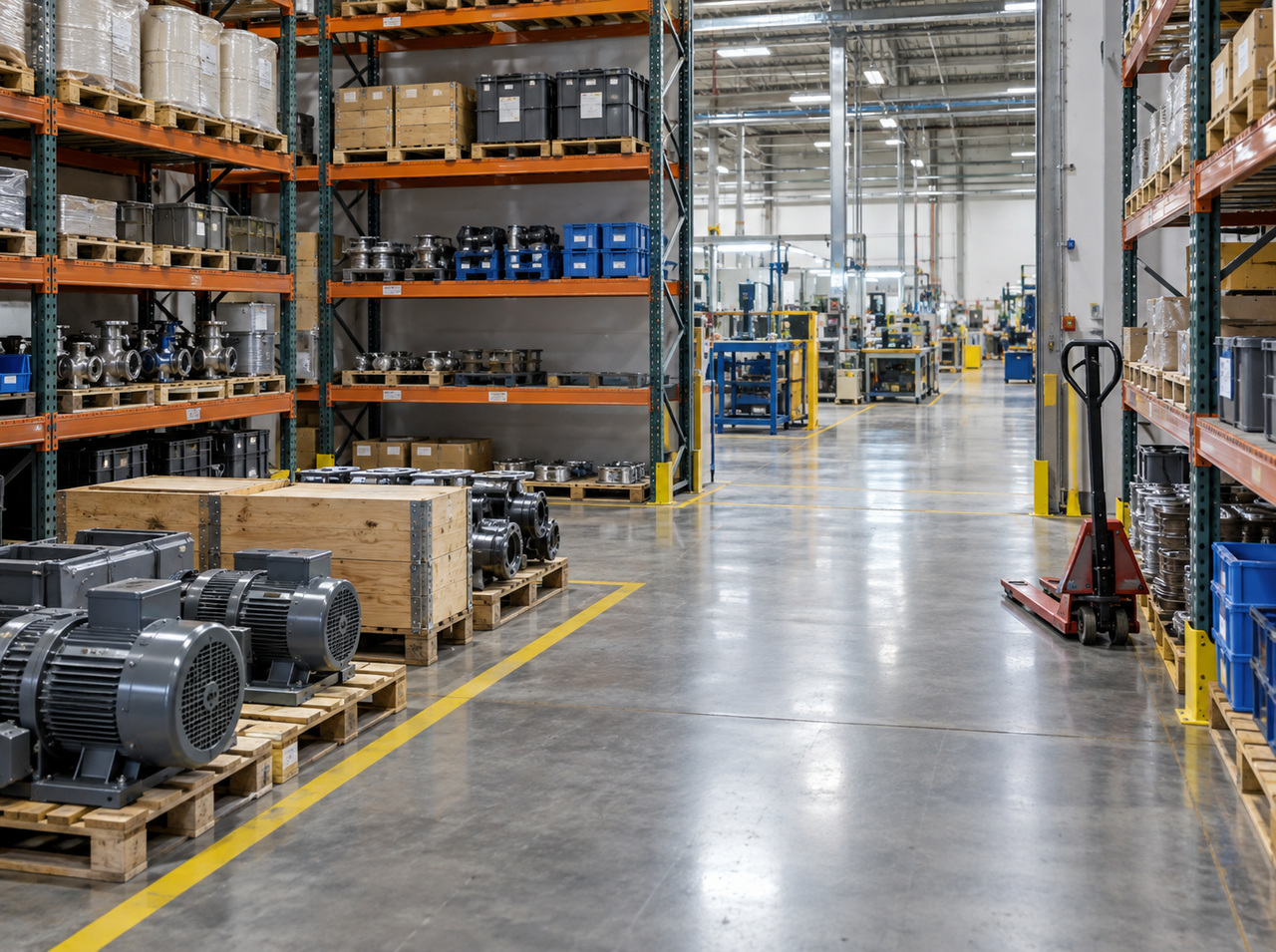
Strategic inventory buffers can help protect production when supplier delays, shortages, or unexpected demand create gaps in material availability. The key is to determine where additional stock is justified rather than increasing inventory across the board.
Prioritize critical components, long-lead-time materials, MRO items, critical spare parts, and other high-risk categories. When setting buffer levels, consider lead-time variability, demand patterns, supplier reliability, replenishment risk, and the operational impact if an item becomes unavailable.
Review these inventory levels regularly as demand, supplier performance, and lead times change. Too little stock can increase disruption risk, while excessive buffers can tie up working capital, consume warehouse space, and create surplus or obsolete inventory.
The goal is to maintain enough inventory to protect critical operations without carrying more stock than your business needs.
6. Redeploy Existing Inventory
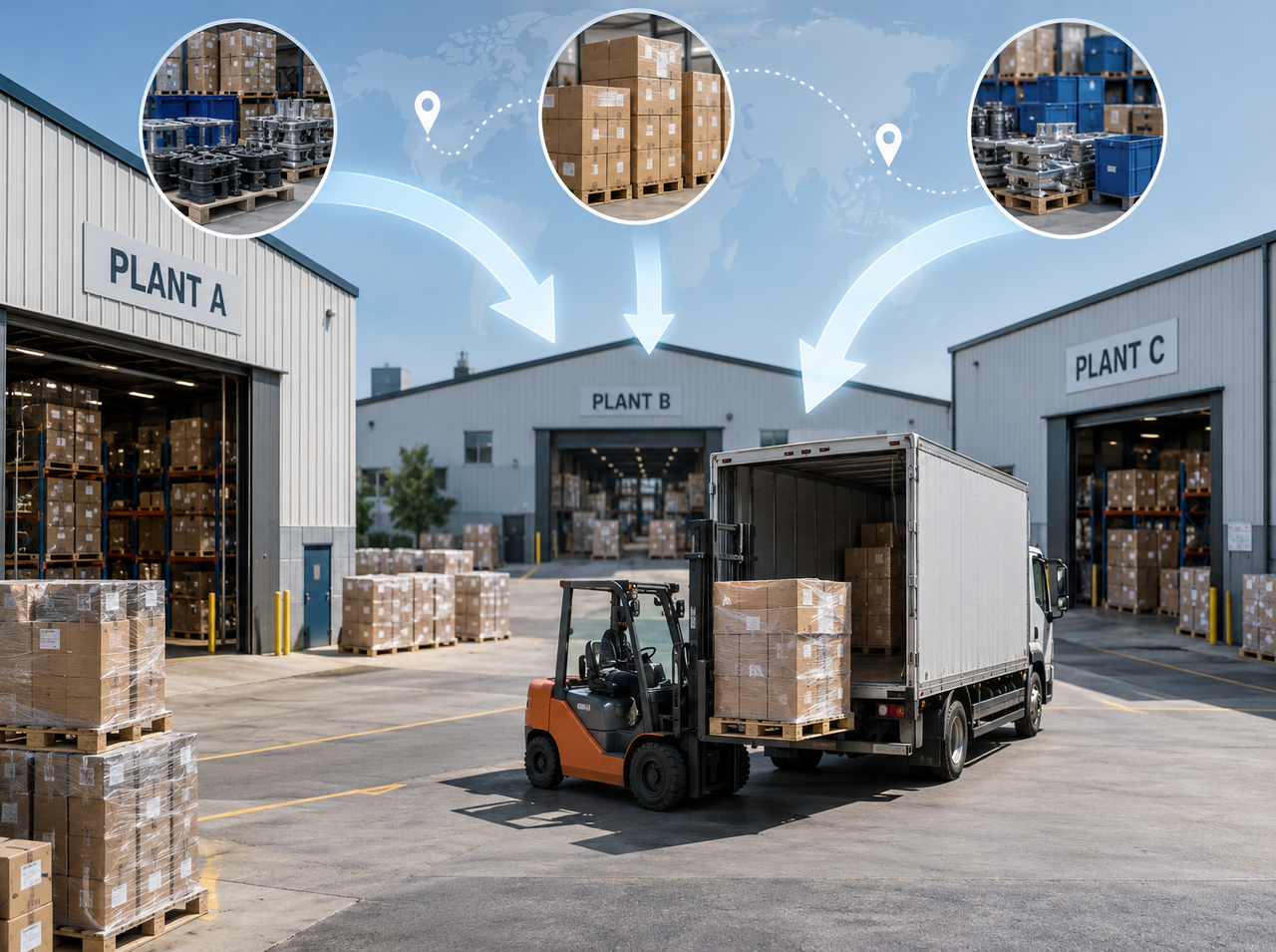
Before purchasing more material, check what your organization already owns. For manufacturers with multiple plants, warehouses, or business units, usable excess or idle inventory may already exist elsewhere in the network.
Internal redeployment can include moving materials between facilities, reusing idle components, or reallocating stock from a location with excess inventory to one facing a shortage. This can help your team respond faster without waiting for a new supplier order.
It also reduces duplicate purchasing and lowers the risk of creating more surplus inventory. By identifying internal alternatives before making an emergency purchase, you can support production continuity while making better use of existing inventory.
7. Create Contingency Plans
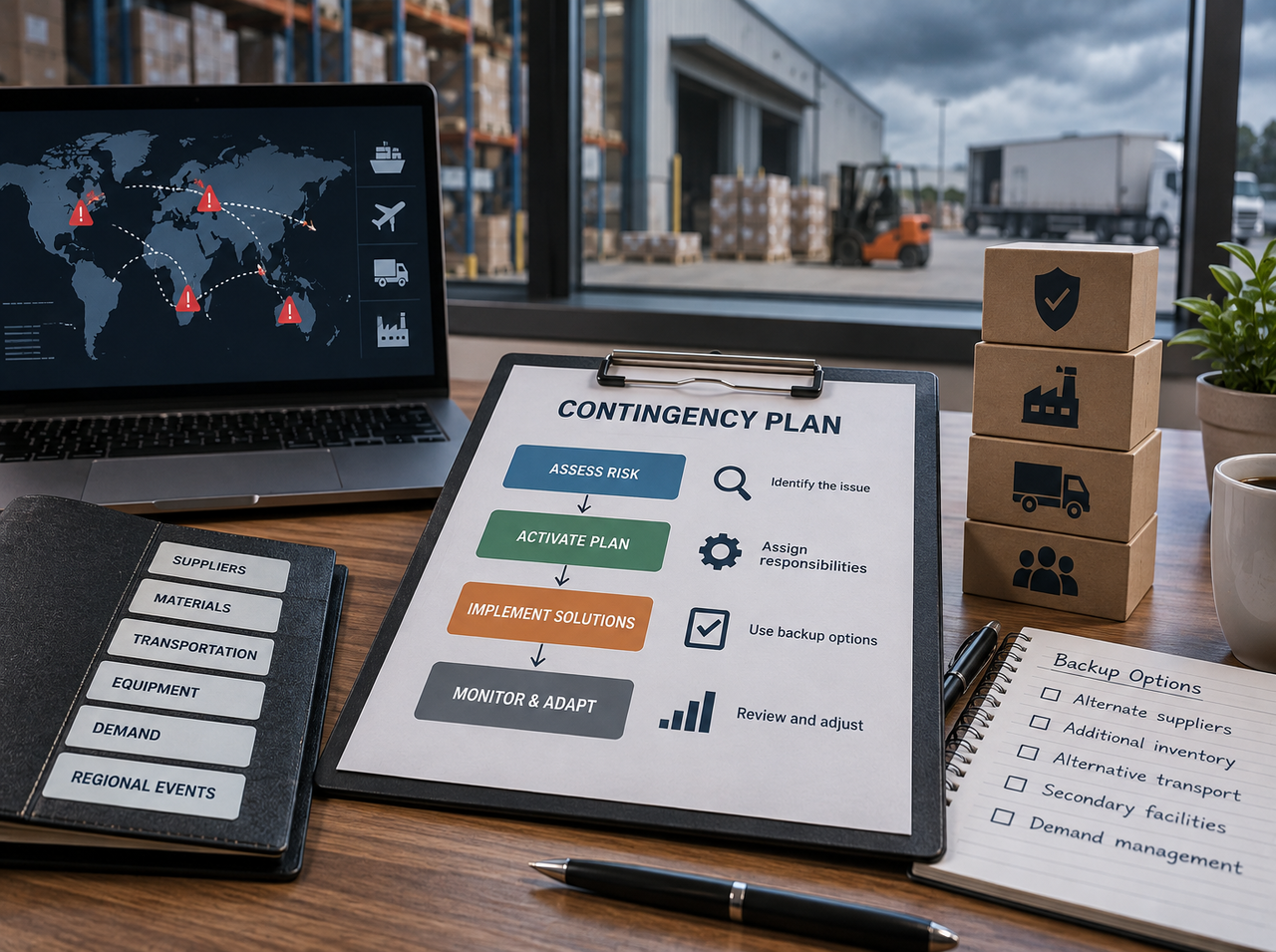
Contingency planning helps your team respond faster when a supply chain disruption occurs. Once you have identified critical vulnerabilities, define the actions your organization will take instead of relying on decisions made under pressure.
Develop response plans for scenarios such as supplier failure, material shortages, transportation disruptions, equipment breakdowns, regional events, and sudden demand increases. For each scenario, identify who is responsible, what backup options are available, and which actions should happen first.
You should also understand how critical suppliers plan to respond to disruptions that affect their operations. Their ability to recover can directly affect your own production schedule.
Clear contingency plans can reduce delays, improve coordination, and limit the operational impact of disruption. These outcomes reflect some of the key benefits of supply chain resilience for manufacturers.
How Amplio Supports a More Resilient Supply Chain
Amplio helps manufacturers make better use of existing inventory and reduce unnecessary purchasing across facilities.
Identify Available Inventory Across Facilities
Amplio’s AI agents connect across ERP systems and analyze inventory data from multiple sites to identify idle, underutilized, and surplus materials, spare parts, MRO inventory, and equipment. This gives manufacturers clearer visibility into what is already available across their network.
Redeploy Inventory Where It Is Needed
Amplio helps classify available inventory for internal redeployment when another facility, production line, or maintenance team can use it. This can reduce duplicate purchasing, support material availability, and help teams respond faster when supply constraints arise.
Recover Value With AI-Powered Valuation
When inventory has no viable internal use, Amplio uses AI-powered valuation to assess potential market value and identify the right recovery path. Manufacturers can then resell surplus assets through Amplio’s private marketplace, helping recover capital and reduce carrying costs.
For manufacturers managing inventory across multiple facilities, our surplus asset management services help determine which assets should remain in use, move to another facility, or enter a recovery channel.
Contact us to make better use of existing inventory and support a more resilient supply chain.